2008 · Collapse · Bubbles, Black Swans and Crisis Alpha
Bear Stearns, Lehman, AIG
In six months Wall Street's fifth-largest bank was sold for scraps, its fourth-largest went bankrupt, and the US government took over the world's largest insurer.
- Bear Stearns sold
- Mar 16, 2008
- Lehman bankrupt
- Sep 15, 2008
- AIG rescue
- Sep 16, 2008
- TARP signed
- Oct 3, 2008
What happened
Bear Stearns funded itself with short-term loans backed by mortgage securities. When lenders pulled back in March 2008, it ran out of cash in days. On March 16 JPMorgan Chase agreed to buy it for $2 a share, raised to $10 on March 24, with the Federal Reserve taking on $29 billion of its assets. A year earlier the stock had traded above $170.
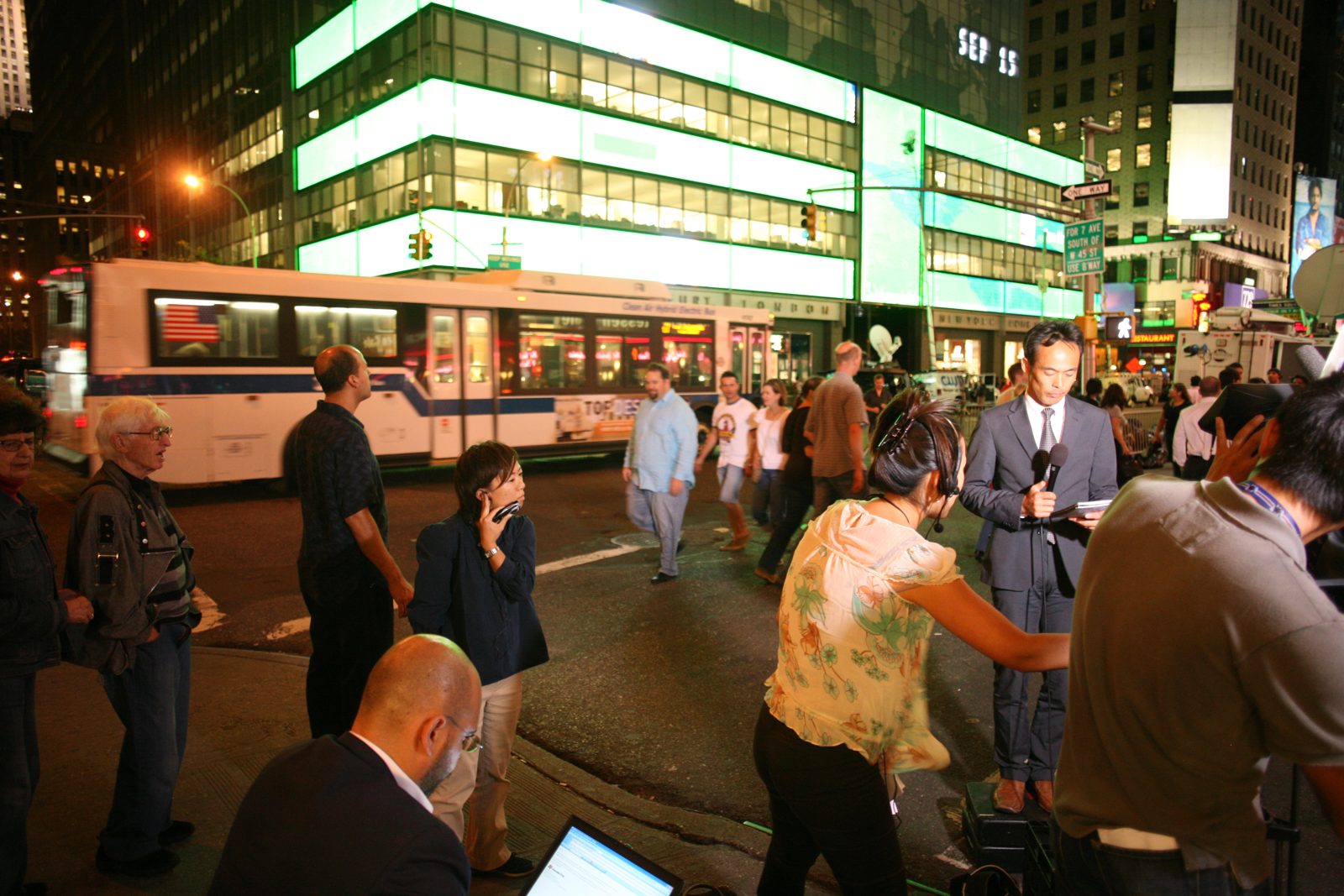
Fannie Mae and Freddie Mac were taken over by the government on September 7. Lehman Brothers, run by Dick Fuld, looked for a buyer that weekend and found none willing to buy without government support, which Treasury Secretary Hank Paulson refused. Lehman filed for bankruptcy on September 15 with $639 billion of assets, the largest bankruptcy in US history. Merrill Lynch sold itself to Bank of America the same weekend.
On September 16 the Fed lent AIG $85 billion. The insurer had sold protection on mortgage securities through credit default swaps and could not post the collateral its trading partners demanded. That day a large money market fund, the Reserve Primary Fund, fell below $1 a share because of its Lehman debt, and investors ran from such funds.
On September 29 the House of Representatives voted down a $700 billion rescue plan and the Dow fell 778 points. A revised plan, the Troubled Asset Relief Program, became law on October 3.
People
- Dick Fuld · Lehman Brothers
- Hank Paulson · Treasury Secretary
- Ben Bernanke · Federal Reserve
- Timothy Geithner · New York Fed
Ideas
The record
Andrew Ross Sorkin
- Also in The Big Short (Michael Lewis); When Genius Failed (Roger Lowenstein); Trend Following (Michael Covel); The Greatest Trade Ever (Gregory Zuckerman); The Invisible Hands: Top Hedge Fund Traders on Bubbles, Crashes, and Real Money (rev. ed.) (Steven Drobny); Bubbles, Crashes and Financial Disasters (Ralph Lyons)