- 1
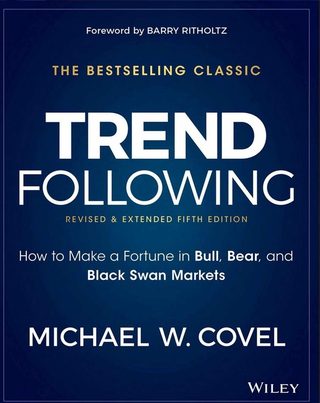 Trend Following, Chapter 4: “Big Events, Crashes, and Panics”, Michael Covel 2017 Chapter 4 of Michael Covel's Trend Following, “Big Events, Crashes, and Panics,” asks a question most market histories skip: when a crash or blowup happens, who is on the other side of the trade?
- 2
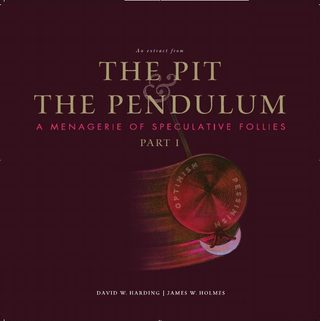 The Pit & the Pendulum: A Menagerie of Speculative Follies, David Harding and James Holmes 2012 David Harding, founder of the trend-following firm Winton Capital, and the historian James Holmes tell 46 episodes of speculative folly, from the 1300s to 2008, each with timelines, price charts and art from its own time: prints, cartoons, share certificates and paintings.
- 3
 Extraordinary Popular Delusions and the Madness of Crowds, Charles Mackay 1841 Charles Mackay, a Scottish journalist, published Extraordinary Popular Delusions and the Madness of Crowds in 1841, and its opening chapters on John Law's Mississippi Scheme, the South Sea Bubble and tulipomania made it the founding text on financial manias.
- 4
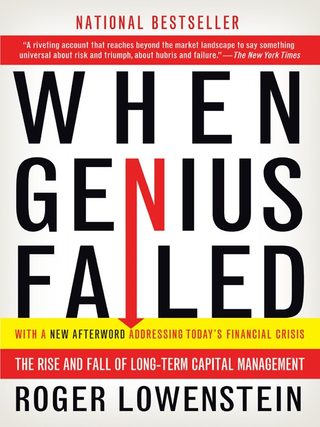 When Genius Failed, Roger Lowenstein 2000 Roger Lowenstein's When Genius Failed (2000) is the standard account of Long-Term Capital Management, from John Meriwether's bond-arbitrage desk at Salomon Brothers to the fund's founding in 1994 and its rescue by fourteen banks in September 1998.
- 5
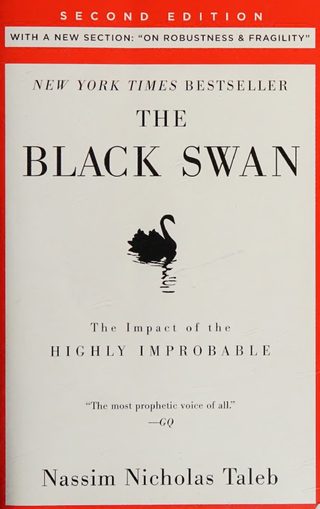 The Black Swan (2nd ed.), Nassim Taleb 2010 Nassim Taleb's The Black Swan (2007, second edition 2010) argues that rare, extreme, unpredictable events drive history and markets, and that people explain them afterward as if they had been foreseeable.
- 6
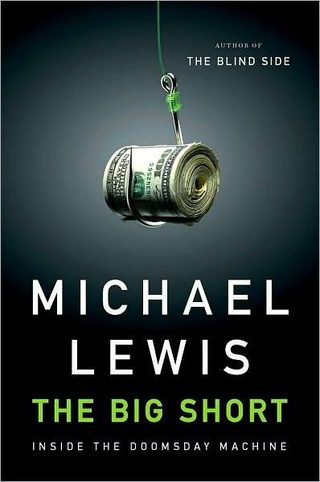 The Big Short, Michael Lewis 2010 Michael Lewis's The Big Short (2010) follows the few investors who saw the US mortgage collapse coming and bet against it: Michael Burry of Scion Capital, Steve Eisman at FrontPoint Partners and the founders of Cornwall Capital.
- 7
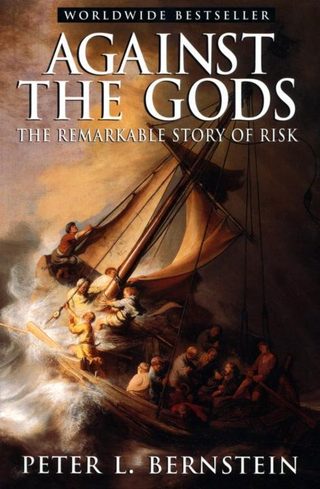 Against the Gods, Peter Bernstein 1996 Peter Bernstein's Against the Gods (1996) tells the history of how people learned to measure and manage risk, from the gamblers and mathematicians of the Renaissance through Pascal, Bernoulli and Gauss to Markowitz, Black and Scholes, and Kahneman and Tversky.
- 8
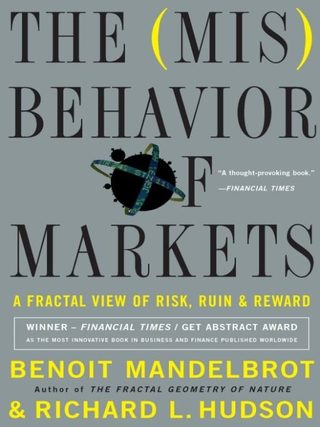 The (Mis)Behavior of Markets, Benoit Mandelbrot & Richard Hudson 2004 Benoit Mandelbrot, the mathematician who described fractals, wrote The (Mis)Behavior of Markets (2004) with the journalist Richard Hudson.
- 9
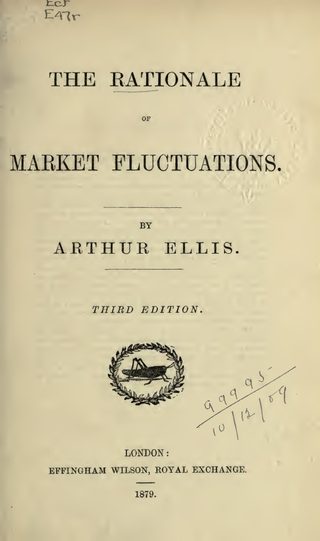 The Rationale of Market Fluctuations (3rd ed.), Arthur Ellis 1879 Arthur Ellis, a London financial journalist, published The Rationale of Market Fluctuations in 1876 and revised it in further editions.
- 10
 The Pitfalls of Speculation, Thomas Gibson 1906 Thomas Gibson's The Pitfalls of Speculation (1906) is a short study of why most speculators lose.
- 11
 Human Nature: a mosaic of sayings, David W. Mitchell 1876 David W. Mitchell's Human Nature: A Mosaic of Sayings (1876) is a Victorian collection of maxims about character, money and judgment, gathered from writers ancient and modern.
- 12
 Ten Years in Wall Street, William Worthington Fowler 1870 William Worthington Fowler's Ten Years in Wall Street (1870) is an eyewitness account of the market of the 1860s by a broker who traded through it. Fowler describes the panic of 1857, the Civil War gold market and the Gold Room, Vanderbilt's corners in Harlem, Daniel Drew's operations in Erie and the 1869 gold corner of Jay Gould and Jim Fisk.
- 13
 The Crowd, Gustave Le Bon 1896 Gustave Le Bon's The Crowd: A Study of the Popular Mind (1895) argued that people gathered in a crowd lose their individual judgment and act on contagion, suggestion and the prestige of leaders.
- 14
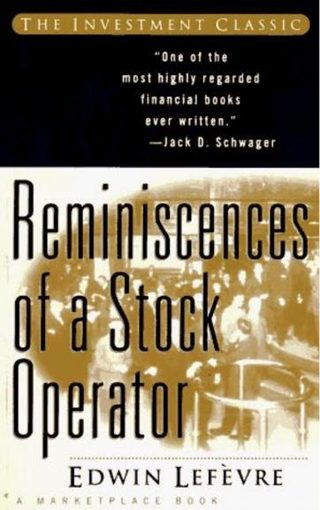 Reminiscences of a Stock Operator, Edwin Lefèvre 1923 Edwin Lefèvre's Reminiscences of a Stock Operator (1923) tells the life of Jesse Livermore under the name Larry Livingston, from the Boston bucket shops to fortunes made and lost in stocks, cotton and grain.
- 15
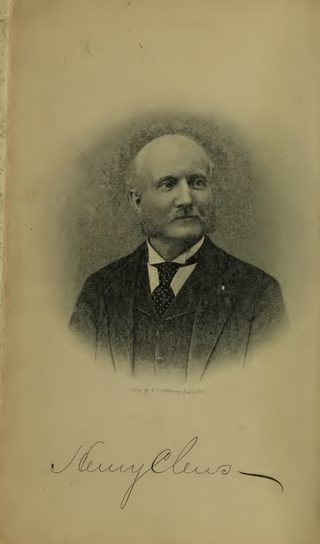 Fifty Years in Wall Street, Henry Clews 1908 Henry Clews came to Wall Street in the 1850s and ran his own banking and brokerage firm for half a century.
- 16
 The Battle for Investment Survival (1965 ed.), Gerald Loeb 1935/1965 Gerald Loeb was a broker at E. F. Hutton who lived through the crash of 1929 and the 1930s.
- 17
 The Harriman House Book of Investing Rules 2001 The Harriman House Book of Investing Rules (2001) collects short essays from about 150 investors, traders and economists, each setting out the rules they work by. The contributors range from value investors to trend followers and market historians.
- 18
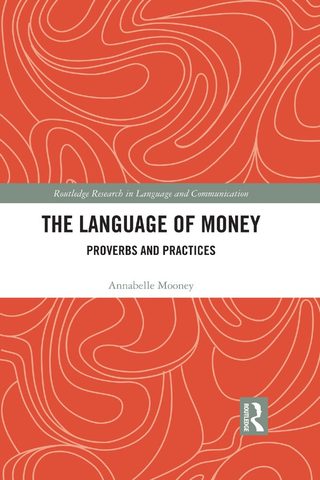 The Language of Money, Annabelle Mooney 2018 Annabelle Mooney, a linguist, studies how people talk about money in The Language of Money (2018): the metaphors, proverbs and phrases that shape how we think about debt, wealth, risk and markets, and where they come from.
- 19
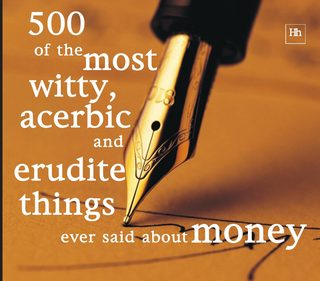 500 of the Most Witty, Acerbic and Erudite Things Ever Said About Money, Philip Jenks (editor) 500 Witty, Acerbic and Erudite Things Said About Money is a collection of quotations about money, markets and wealth.
- 20
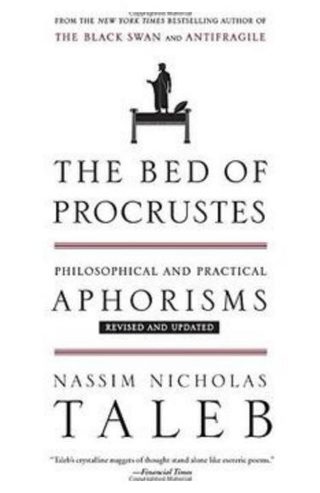 The Bed of Procrustes, Nassim Taleb 2010 Nassim Taleb's The Bed of Procrustes (2010) is a short book of aphorisms on knowledge, risk, wealth and modern life, written in the same spirit as his longer works.
- 21
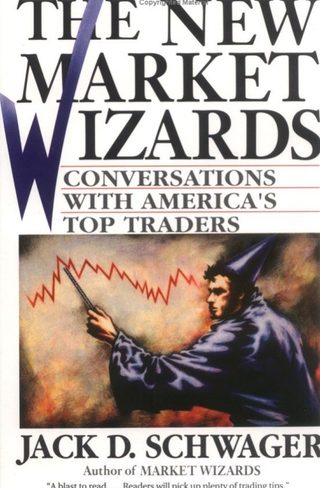 The New Market Wizards, Jack Schwager 1992 Jack Schwager's The New Market Wizards (1992) is his second book of interviews with top traders, among them Stanley Druckenmiller, William Eckhardt, Tom Basso, Monroe Trout and two of the Turtles.
- 22
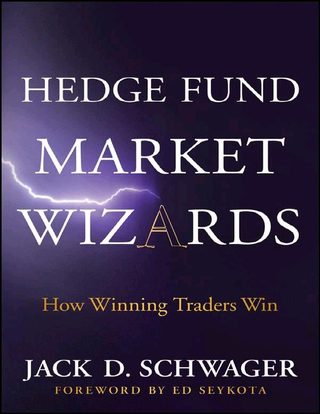 Hedge Fund Market Wizards, Jack Schwager 2012 Jack Schwager's Hedge Fund Market Wizards (2012) interviews fifteen hedge fund managers after the 2008 crisis, among them Ray Dalio, Edward Thorp, Colm O'Shea, Jamie Mai of Cornwall Capital and the systematic trader Jaffray Woodriff.
- 23
Principles of Great Traders (foreword by Ed Seykota), George Coyle 2020 George Coyle's Principles of Great Traders (2020), with a foreword by Ed Seykota, collects quotations from successful traders and arranges them by theme: cutting losses, riding winners, sizing bets, handling emotion and avoiding prediction.
- 24
"Determining Optimal Risk" (Stocks & Commodities V.11:3), Ed Seykota & Dave Druz 1993 Ed Seykota and Dave Druz's article “Determining Optimal Risk,” published in Technical Analysis of Stocks & Commodities in 1993, sets out the idea of portfolio heat: how much of an account to risk across all open positions, and why the size of each bet matters more than when it is placed.
- 25
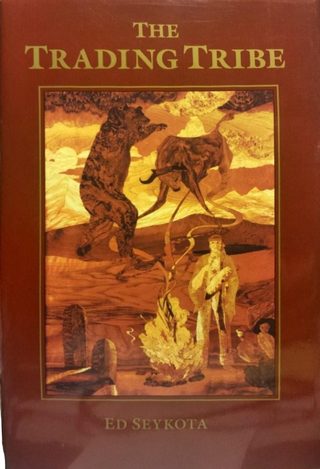 The Trading Tribe, Ed Seykota 2005 Ed Seykota's The Trading Tribe (2005) is about the feelings behind trading decisions.
- 26
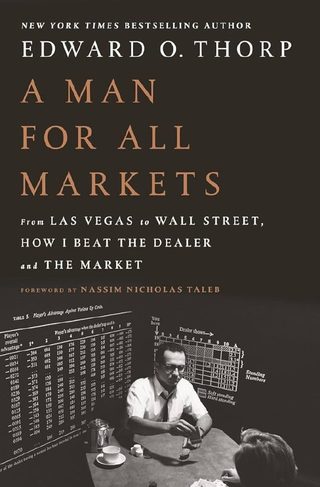 A Man for All Markets, Edward Thorp 2017 Edward Thorp's memoir A Man for All Markets (2017) runs from his proof in the early 1960s that blackjack could be beaten by counting cards, through the wearable roulette computer he built with Claude Shannon, to Princeton-Newport Partners, one of the first quantitative hedge funds.
- 27
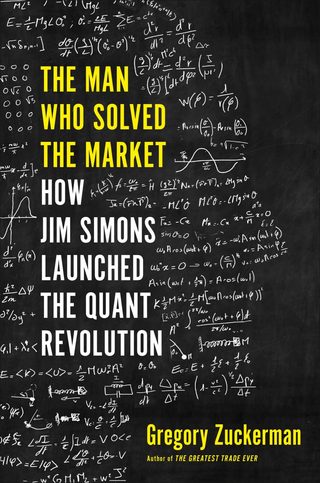 The Man Who Solved the Market, Gregory Zuckerman 2019 Gregory Zuckerman's The Man Who Solved the Market (2019) is the history of Jim Simons and Renaissance Technologies, the firm of mathematicians and scientists whose Medallion fund produced one of the best records in finance.
- 28
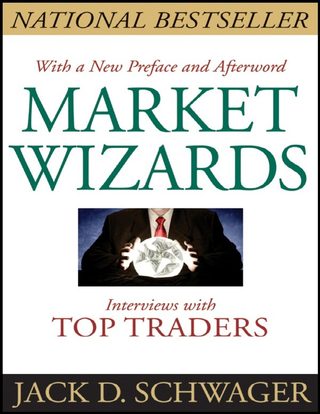 Market Wizards, Jack Schwager 1989 Jack Schwager's Market Wizards (1989) is the book of interviews that defined the genre.
- 29
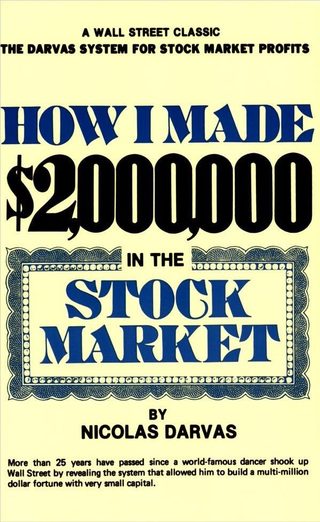 How I Made $2,000,000 in the Stock Market, Nicolas Darvas 1960 Nicolas Darvas was a professional dancer who traded stocks by cable and telegram while touring the world in the late 1950s.
- 30
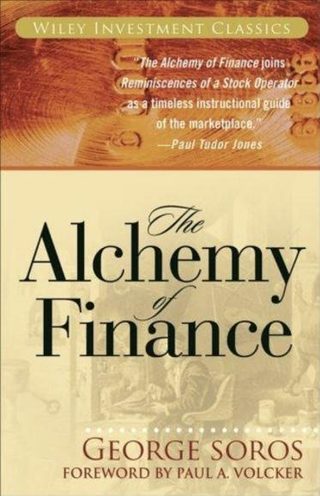 The Alchemy of Finance, George Soros 1987/1994 George Soros's The Alchemy of Finance (1987) sets out his theory of reflexivity: investors' beliefs change the facts they are betting on, so markets can move far from equilibrium.
- 31
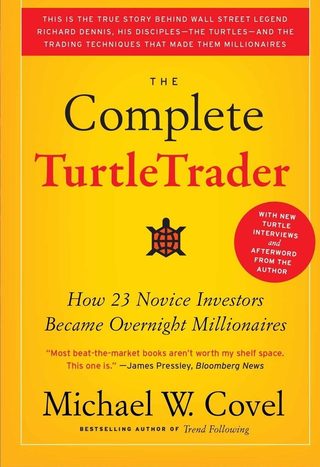 The Complete TurtleTrader, Michael Covel 2007 Michael Covel's The Complete TurtleTrader (2007) tells the story of the Turtle experiment.
- 32
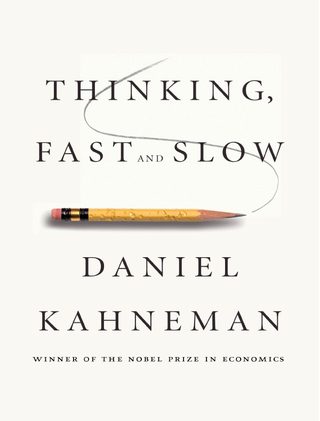 Thinking, Fast and Slow, Daniel Kahneman 2011 Daniel Kahneman's Thinking, Fast and Slow (2011) summarizes a career spent showing how human judgment departs from rational choice.
- 33
 Simple Heuristics That Make Us Smart, Gerd Gigerenzer, Peter Todd and the ABC Research Group 1999 Simple Heuristics That Make Us Smart (1999), by Gerd Gigerenzer, Peter Todd and the ABC Research Group, presents research showing that simple rules of thumb, using little information, often make better decisions than complex models when the future is uncertain.
- 34
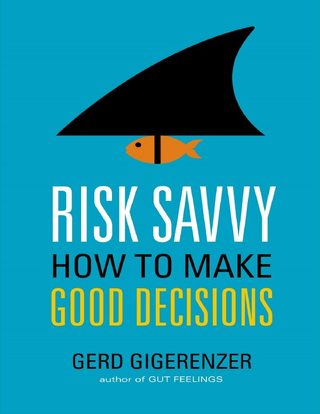 Risk Savvy, Gerd Gigerenzer 2014 Gerd Gigerenzer's Risk Savvy (2014) is a book for general readers on the difference between known risks and true uncertainty, why forecasts fail and how people can make good decisions with rules of thumb.
- 35
 Human Action (4th ed.), Ludwig von Mises 1949/1996 Ludwig von Mises's Human Action (1949) is the major work of the Austrian school of economics.
- 36
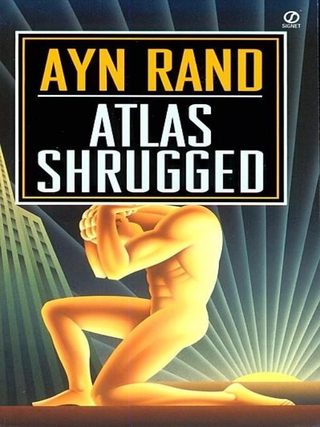 Atlas Shrugged, Ayn Rand 1957 Ayn Rand's novel Atlas Shrugged (1957) tells of industrialists who withdraw from a society that taxes and regulates them toward collapse.
- 37
 The Wisdom of Insecurity, Alan Watts 1951 Alan Watts's The Wisdom of Insecurity (1951) argues that the search for security is itself the source of anxiety, and that a person who accepts uncertainty lives a fuller life.
- 38
 Peak, Anders Ericsson & Robert Pool 2016 Anders Ericsson and Robert Pool's Peak (2016) explains deliberate practice: how experts in music, sport, chess and medicine build their skill through focused, effortful training with feedback, rather than through talent alone.
- 39
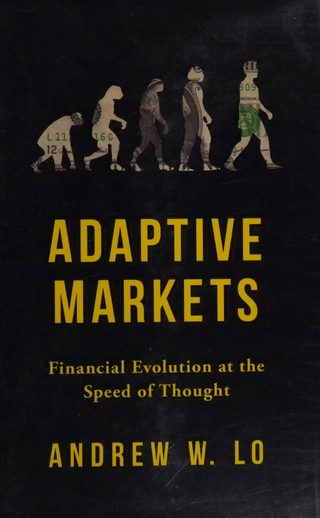 Adaptive Markets, Andrew Lo 2017 Andrew Lo's Adaptive Markets (2017) argues that financial markets behave less like efficient machines than like ecosystems, where strategies thrive, crowd in and die off as conditions change.
- 40
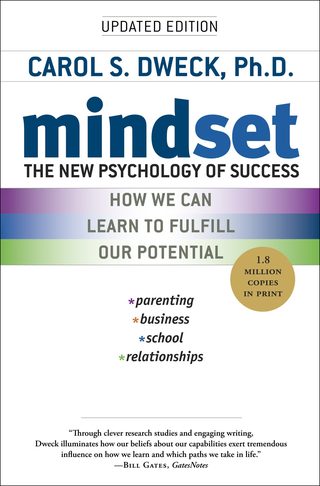 Mindset, Carol Dweck 2006/2016 Carol Dweck's Mindset (2006, updated 2016) describes the difference between a fixed mindset, which treats ability as set, and a growth mindset, which treats it as something built through effort.
- 41
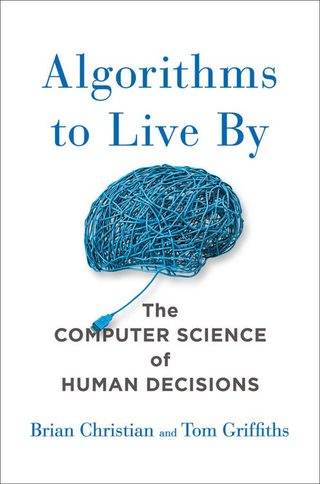 Algorithms to Live By, Brian Christian & Tom Griffiths 2016 Brian Christian and Tom Griffiths's Algorithms to Live By (2016) applies ideas from computer science to everyday decisions: when to stop searching, how to balance exploring new options against exploiting known ones, and why overfitting a model to past data leads to poor predictions.
- 42
 Meditations (Martin Hammond translation), Marcus Aurelius c. 170s / 2006 Marcus Aurelius, Roman emperor from 161 to 180, kept private notebooks in the Stoic tradition that became known as the Meditations.
- 43
 Antifragile, Nassim Taleb 2012 Nassim Taleb's Antifragile (2012) describes things that gain from disorder, as opposed to the fragile, which break under stress, and the robust, which survive it unchanged.
- 44
 Design, Testing, and Optimization of Trading Systems, Robert Pardo 1992 Robert Pardo's Design, Testing, and Optimization of Trading Systems (1992) is a technical guide to building and testing trading rules.
- 45
 Efficiently Inefficient, Lasse Heje Pedersen 2015 Lasse Heje Pedersen's Efficiently Inefficient (2015) explains how hedge fund strategies make money, from equity long-short and global macro to managed futures and arbitrage, with interviews of leading managers.
- 46
 The Evaluation and Optimization of Trading Strategies (2nd ed.), Robert Pardo 2008 Robert Pardo's The Evaluation and Optimization of Trading Strategies (2nd edition, 2008) updates his earlier book on building trading systems, with more on robustness, overfitting and walk-forward analysis.
- 47
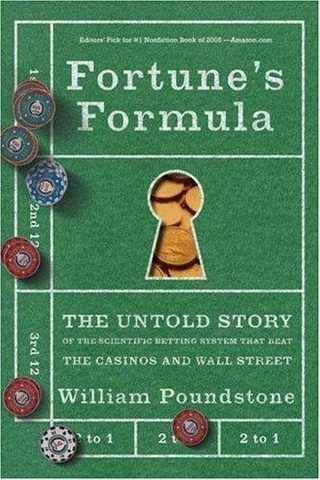 Fortune’s Formula, William Poundstone 2005 William Poundstone's Fortune's Formula (2005) tells the story of the Kelly criterion, the formula for how much to bet when one has an edge, from John Kelly and Claude Shannon at Bell Labs to Edward Thorp's use of it at blackjack and in markets.
- 48
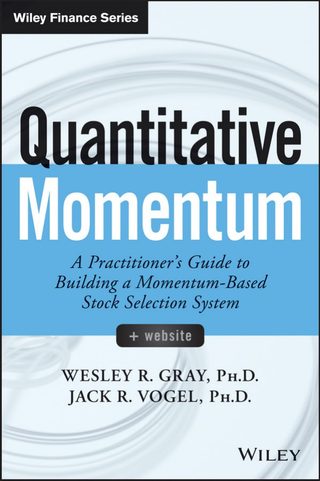 Quantitative Momentum, Wesley Gray & Jack Vogel 2016 Wesley Gray and Jack Vogel's Quantitative Momentum (2016) reviews the evidence that stocks that have risen tend to keep rising, and sets out a practical momentum strategy.
- 49
The Winton Papers, Winton Capital (David Harding's firm) 2003 The Winton Papers (2003) are research papers from David Harding's Winton Capital, written for investors.
- 50
 The Stoics in free translations: Marcus Aurelius, Meditations (George Long); Epictetus, Golden Sayings 1862–1909 This collection gathers free, older translations of the Stoics from the Harvard Classics and other public-domain editions: Marcus Aurelius's Meditations in George Long's translation, Epictetus's Golden Sayings in Hastings Crossley's, and Plato's dialogues on the trial and death of Socrates.
- 51
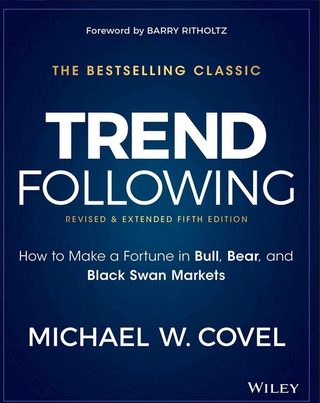 Trend Following, Michael Covel 2017 (5th edition) Michael Covel's Trend Following, first published in 2004 and now in its fifth edition (2017), is the book that put the strategy before a general audience.
- 52
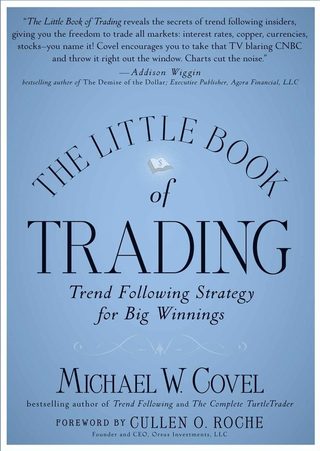 The Little Book of Trading, Michael Covel 2011 Michael Covel's The Little Book of Trading (2011) is a short, rule-focused companion to Trend Following, written for people who want the core of the approach without the history: why follow price, how to manage risk and position size, and how to think about losing streaks.
- 53
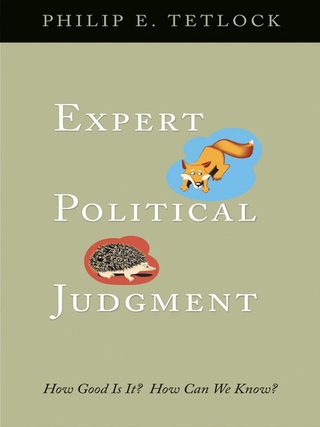 Expert Political Judgment, Philip Tetlock 2005 Philip Tetlock's Expert Political Judgment (2005) reports a twenty-year study of more than 28,000 forecasts by experts in politics and economics.
- 54
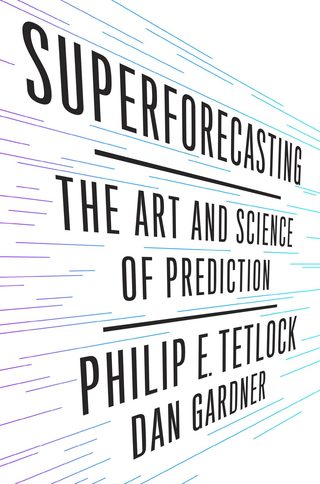 Superforecasting, Philip Tetlock & Dan Gardner 2015 Philip Tetlock and Dan Gardner's Superforecasting (2015) describes a forecasting tournament run for US intelligence, in which a small group of ordinary volunteers beat the professionals.
- 55
 Fooled by Randomness, Nassim Taleb 2001/2004 Nassim Taleb's first book, Fooled by Randomness (2001, revised 2004), argues that people mistake luck for skill, above all in markets, where survivorship hides the many who took the same risks and failed.
- 56
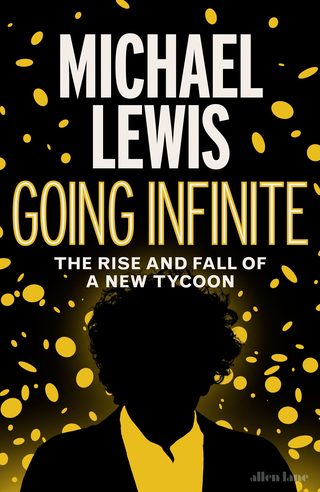 Going Infinite, Michael Lewis 2023 Michael Lewis's Going Infinite (2023) is a portrait of Sam Bankman-Fried, founder of the crypto exchange FTX and the trading firm Alameda Research.
- 57
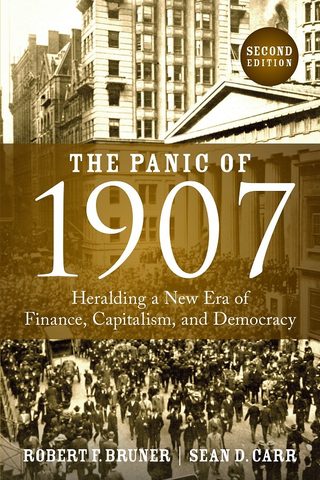 The Panic of 1907 (2nd ed.), Robert Bruner & Sean Carr 2023 Robert Bruner and Sean Carr's The Panic of 1907 (second edition, 2023) is the standard history of the panic: the failed copper corner, the runs on the Knickerbocker Trust and other trust companies, J. P. Morgan's rescue and the political response that led to the Federal Reserve.
- 58
 Lombard Street, Walter Bagehot 1873 Walter Bagehot, editor of The Economist, wrote Lombard Street (1873) after the Overend Gurney crisis of 1866.
- 59
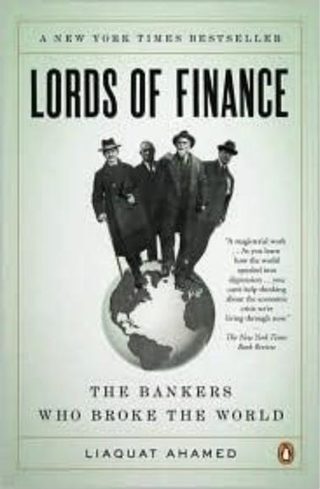 Lords of Finance, Liaquat Ahamed 2009 Liaquat Ahamed's Lords of Finance (2009), winner of the Pulitzer Prize for history, tells the story of the four central bankers who ran the world's money between the wars: Montagu Norman of the Bank of England, Benjamin Strong of the New York Fed, Émile Moreau of the Banque de France and Hjalmar Schacht of the Reichsbank.
- 60
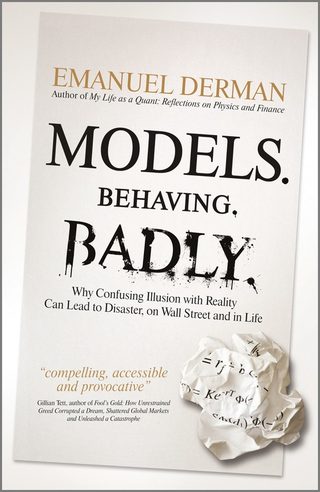 Models.Behaving.Badly, Emanuel Derman 2011 Emanuel Derman, a physicist who became head of quantitative strategies at Goldman Sachs, wrote Models.Behaving.Badly (2011) to explain why financial models are not like the laws of physics.
- 61
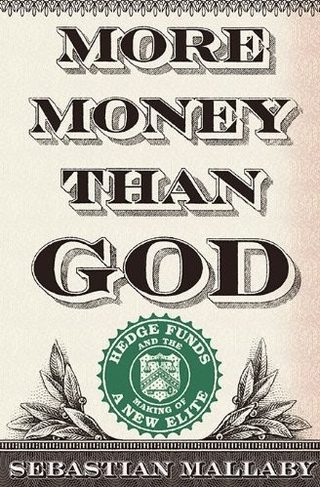 More Money Than God, Sebastian Mallaby 2010 Sebastian Mallaby's More Money Than God (2010) is the history of the hedge fund, from Alfred Winslow Jones in 1949 through Michael Steinhardt, George Soros and Stanley Druckenmiller's 1992 trade against the pound, Julian Robertson's Tiger, Paul Tudor Jones, LTCM, Amaranth and John Paulson.
- 62
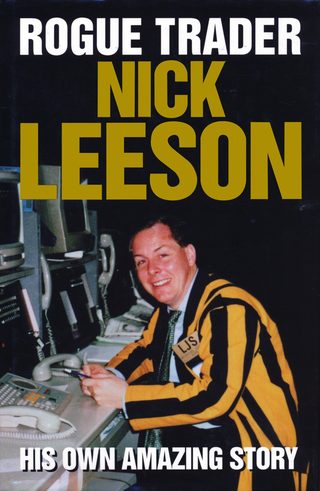 Rogue Trader, Nick Leeson 1996 Nick Leeson's Rogue Trader (1996) is his own account of how he lost £827 million trading Japanese stock futures in Singapore and broke Barings, Britain's oldest merchant bank.
- 63
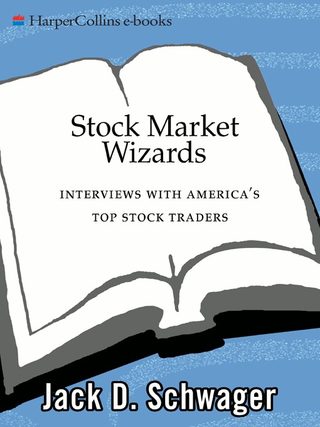 Stock Market Wizards, Jack Schwager 2001/2007 Jack Schwager's Stock Market Wizards (2001, updated 2007) interviews traders and fund managers who specialize in stocks, among them Steve Cohen and Mark Minervini, about their methods and how they handle risk.
- 64
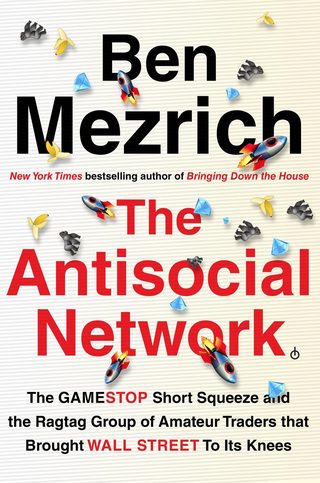 The Antisocial Network, Ben Mezrich 2021 Ben Mezrich's The Antisocial Network (2021) tells the story of the GameStop squeeze of January 2021: Keith Gill and the Reddit traders of WallStreetBets, the short sellers at Melvin Capital, and the day Robinhood stopped its customers from buying.
- 65
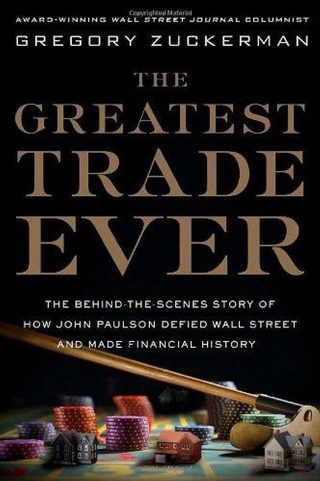 The Greatest Trade Ever, Gregory Zuckerman 2009 Gregory Zuckerman's The Greatest Trade Ever (2009) tells how John Paulson, then a little-known merger arbitrageur, bet against subprime mortgages through credit default swaps and made about $15 billion for his funds in 2007.
- 66
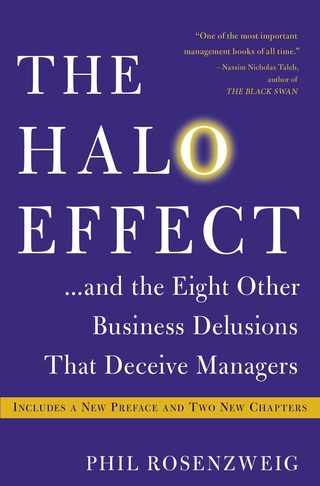 The Halo Effect, Phil Rosenzweig 2007 Phil Rosenzweig's The Halo Effect (2007) shows how business writers and analysts judge companies by their results and then describe whatever those companies did as the cause.
- 67
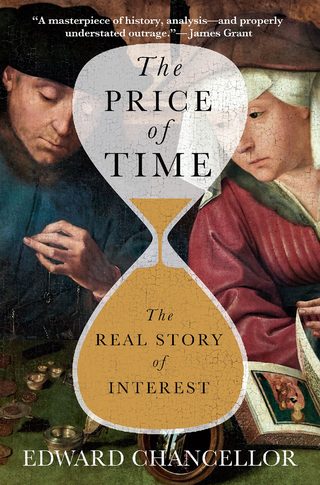 The Price of Time, Edward Chancellor 2022 Edward Chancellor's The Price of Time (2022) is a history of interest, from ancient Babylon to the era of zero rates.
- 68
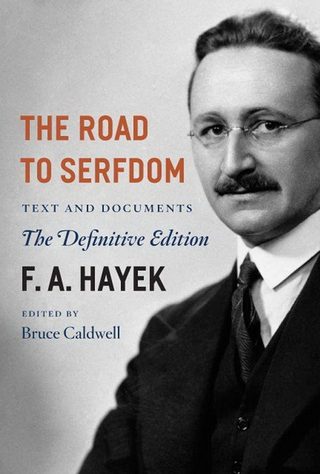 The Road to Serfdom (Definitive Edition), Friedrich Hayek 1944/2007 Friedrich Hayek's The Road to Serfdom (1944) argues that central economic planning, however well meant, leads to the loss of political freedom.
- 69
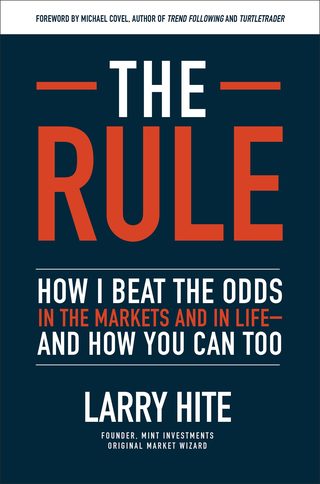 The Rule, Larry Hite 2019 Larry Hite co-founded Mint Investment Management, one of the first trend-following firms to manage large sums for the public.
- 70
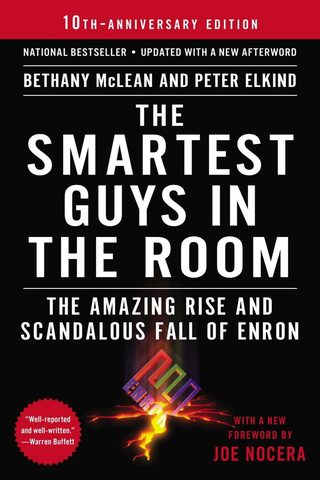 The Smartest Guys in the Room, Bethany McLean & Peter Elkind 2003 Bethany McLean and Peter Elkind's The Smartest Guys in the Room (2003) is the full story of Enron, from its days as a pipeline company to its bankruptcy in December 2001.
- 71
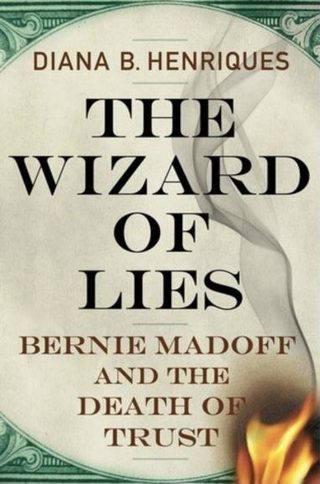 The Wizard of Lies, Diana Henriques 2011 Diana Henriques's The Wizard of Lies (2011) is the definitive account of Bernard Madoff's fraud, based in part on her interviews with Madoff in prison.
- 72
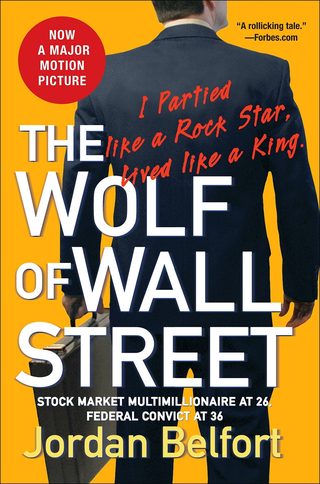 The Wolf of Wall Street, Jordan Belfort 2007 Jordan Belfort's The Wolf of Wall Street (2007) is his own account of Stratton Oakmont, the Long Island brokerage that sold manipulated penny stocks to the public through high-pressure phone sales in the 1990s.
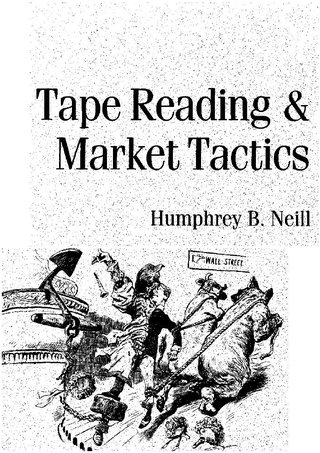
- 73
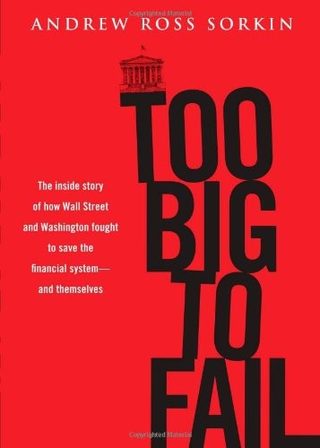 Too Big to Fail, Andrew Ross Sorkin 2009 Andrew Ross Sorkin's Too Big to Fail (2009) reconstructs the financial crisis of 2008 day by day from inside the banks, the Treasury and the Federal Reserve: the sale of Bear Stearns, the failed search for a buyer for Lehman Brothers, the AIG rescue and the bailout that followed.
- 74
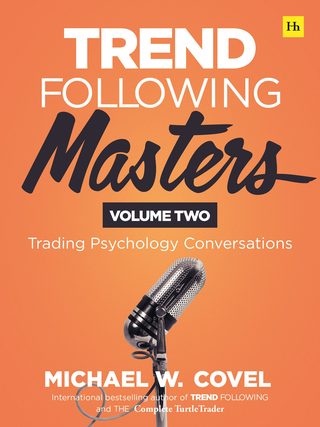 Trend Following Masters, Vol. 2: Trading Psychology Conversations, Michael Covel Trend Following Masters, Volume 2 collects Michael Covel's interviews from Trend Following Radio on the mental side of trading: how traders handle losing streaks, fear, discipline and uncertainty.
- 75
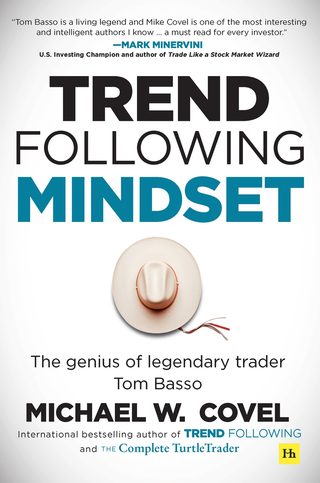 Trend Following Mindset (Tom Basso), Michael Covel Trend Following Mindset presents Tom Basso's approach to trading through his conversations with Michael Covel.
- 76
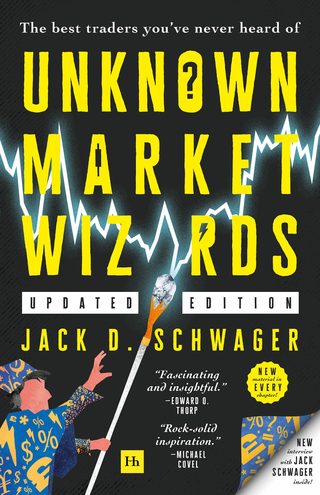 Unknown Market Wizards (updated edition), Jack Schwager 2020/2022 Jack Schwager's Unknown Market Wizards (2020, updated 2022) interviews traders who are not famous and do not manage large funds but have exceptional personal records.
- 77
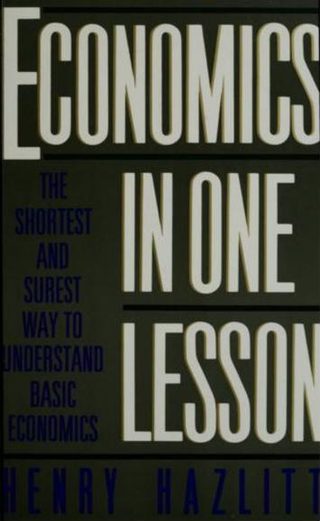 Economics in One Lesson, Henry Hazlitt 1946 Henry Hazlitt's Economics in One Lesson (1946) rests on a single idea from the French economist Frédéric Bastiat: judge a policy by its effects on everyone and over time, not only by its visible benefits to a few.
- 78
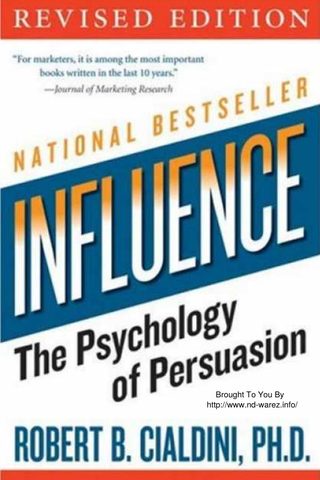 Influence, Robert Cialdini 1984/2007 Robert Cialdini's Influence (1984, revised 2007) explains the principles that lead people to say yes: reciprocity, commitment, social proof, liking, authority and scarcity.
- 79
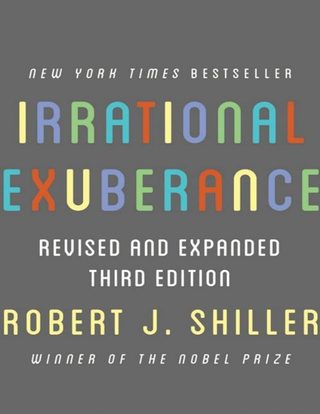 Irrational Exuberance (3rd ed.), Robert Shiller 2015 Robert Shiller's Irrational Exuberance was first published in March 2000, the month the Nasdaq peaked, and warned that US stocks were overvalued.
- 80
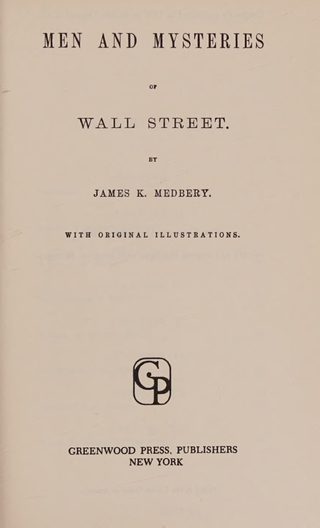 Men and Mysteries of Wall Street, James K. Medbery 1870 James K. Medbery's Men and Mysteries of Wall Street (1870) is an eyewitness portrait of the market in the 1860s: the Gold Room, Black Friday, the Erie wars, the panic of 1857, the brokers and the speculators.
- 81
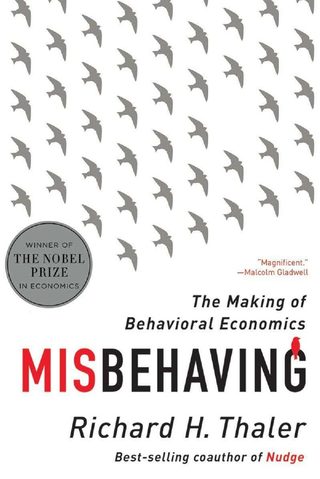 Misbehaving, Richard Thaler 2015 Richard Thaler's Misbehaving (2015) is a history of behavioral economics told by one of its founders.
- 82
A History of Share Prices (chart and chronology), Kieron Nutbrown 2016 Kieron Nutbrown's A History of Share Prices (2016) plots seven centuries of share prices against a chronology of 79 financial crises, from Italian bank failures in 1255 to the end of zero interest rates in 2015.
- 83
“The Babe Ruth Effect: Frequency versus Magnitude”, Michael Mauboussin & Kristen Bartholdson 2002 Michael Mauboussin and Kristen Bartholdson's paper “The Babe Ruth Effect” (2002) argues that in investing, the frequency of being right matters less than the size of the gains when right against the losses when wrong, as Babe Ruth struck out often and hit the most home runs.
- 84
“A Century of Evidence on Trend-Following Investing”, Brian Hurst, Yao Hua Ooi and Lasse Pedersen (AQR) 2014 Brian Hurst, Yao Hua Ooi and Lasse Pedersen of AQR tested a simple trend-following rule on stock indexes, bonds, currencies and commodities back to 1880 in “A Century of Evidence on Trend-Following Investing.”
- 85
“Princeton’s Rich Commodity Scholars” (Fortune, on Commodities Corp.), Shawn Tully c. 1981 Shawn Tully's Fortune article “Princeton's Rich Commodity Scholars” (about 1981) profiled Commodities Corporation, the Princeton firm founded in 1969 by economists including Paul Samuelson.
- 86
“A New Interpretation of Information Rate” (Bell System Technical Journal), John L. Kelly Jr. 1956 John L. Kelly Jr.'s paper “A New Interpretation of Information Rate” (Bell System Technical Journal, 1956) derived the formula for how much of one's capital to bet when one has an edge, so as to grow capital fastest over time.
- 87
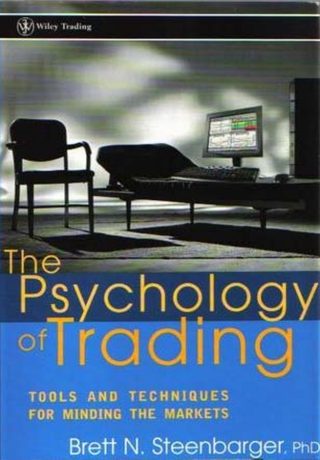 The Psychology of Trading, Brett Steenbarger 2003 Brett Steenbarger's The Psychology of Trading (2003) applies the methods of a clinical psychologist to traders: how emotional and behavioral patterns form, how they show up in trading, and how traders can change them.
- 88
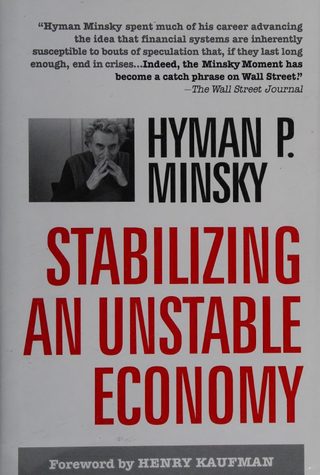 Stabilizing an Unstable Economy, Hyman Minsky 1986/2008 Hyman Minsky's Stabilizing an Unstable Economy (1986) argues that financial systems become fragile in good times: stability encourages borrowers and lenders to take on more debt, moving from safe financing to speculative and then Ponzi financing, until a shock brings collapse.
- 89
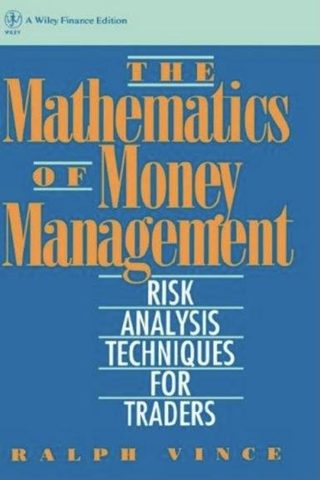 The Mathematics of Money Management, Ralph Vince 1992 Ralph Vince's The Mathematics of Money Management (1992) works out optimal f, a method of position sizing derived from the Kelly formula, and shows the math of how much to risk on each trade and how drawdowns compound.
- 90
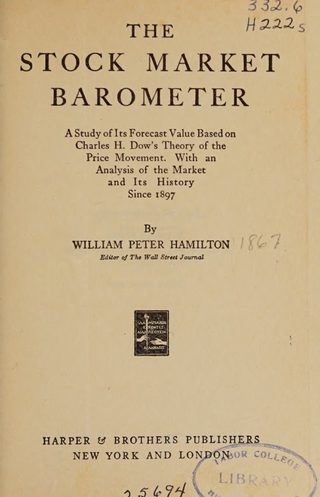 The Stock Market Barometer, William Peter Hamilton 1922 William Peter Hamilton succeeded Charles Dow as editor of The Wall Street Journal.
- 91
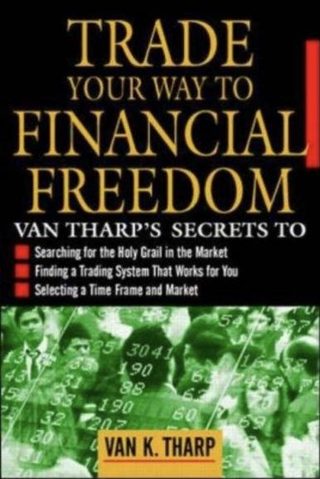 Trade Your Way to Financial Freedom, Van K. Tharp 1999 Van K. Tharp's Trade Your Way to Financial Freedom (1999) explains how to build a trading system that fits the trader, with emphasis on expectancy, the average gain per unit risked, and on position sizing as the main driver of results.
- 92
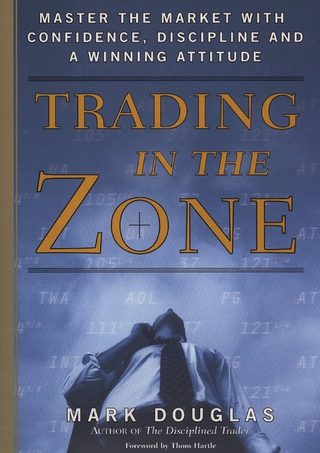 Trading in the Zone, Mark Douglas 2000 Mark Douglas's Trading in the Zone (2000) argues that consistent traders think in probabilities: they accept the risk of each trade before taking it and treat each outcome as one of many.
- 93
 Triumph of the Optimists, Elroy Dimson, Paul Marsh and Mike Staunton 2002 Elroy Dimson, Paul Marsh and Mike Staunton's Triumph of the Optimists (2002) assembled 101 years of returns on stocks, bonds and bills in 16 countries.
- 94
 Why Stock Markets Crash, Didier Sornette 2003 Didier Sornette, a physicist, argues in Why Stock Markets Crash (2003) that crashes are critical events, like earthquakes or the failure of materials, preceded by accelerating price patterns that can sometimes be measured in advance.
- 95
 Speculation as a Fine Art and Thoughts on Life, Dickson G. Watts 1880 Dickson G. Watts, a cotton speculator and president of the New York Cotton Exchange, wrote Speculation as a Fine Art in 1880.
- 96
Two Centuries of Trend Following, Y. Lempérière, C. Deremble, P. Seager, M. Potters and J.-P. Bouchaud 2014 Researchers at Capital Fund Management in Paris, led by Jean-Philippe Bouchaud, tested a simple trend rule on commodities, currencies, stock indexes and bonds back to the 1800s in “Two Centuries of Trend Following” (2014).
- 97
“The Winners and Losers of the Zero-Sum Game” (draft), Lawrence Harris 1993 Lawrence Harris, an economist at the University of Southern California, wrote “The Winners and Losers of the Zero-Sum Game” in 1993 as a draft that became part of his book Trading and Exchanges.
- 98
 Bubbles and Crashes: The Boom and Bust of Technological Innovation, Brent Goldfarb and David A. Kirsch 2019 Brent Goldfarb and David Kirsch's Bubbles and Crashes (2019) studies 58 new technologies, from radio and cars to aviation and the dot-coms, to explain why some set off speculative bubbles and others do not.
- 99
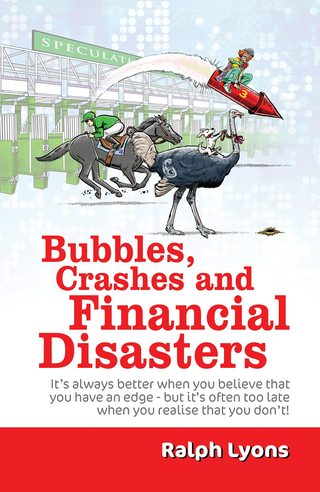 Bubbles, Crashes and Financial Disasters, Ralph Lyons 2024 Ralph Lyons's Bubbles, Crashes and Financial Disasters (2024) is a popular history of financial manias and collapses, from the tulips and John Law to Ponzi, 1929, Nick Leeson, the dot-coms, Madoff and 2008.
- 100
 Speculation, Trading, and Bubbles, José A. Scheinkman, with Kenneth Arrow, Patrick Bolton, Sanford Grossman and Joseph Stiglitz 2014 José Scheinkman's Speculation, Trading, and Bubbles (2014) is based on his Kenneth J. Arrow Lecture, with responses from Kenneth Arrow, Patrick Bolton, Sanford Grossman and Joseph Stiglitz.
- 101
 Bubbleology: The New Science of Stock Market Winners and Losers, Kevin Hassett 2002 Kevin Hassett's Bubbleology (2002) examines how to value stocks under uncertainty and how investors misjudged the dot-com boom.
- 102
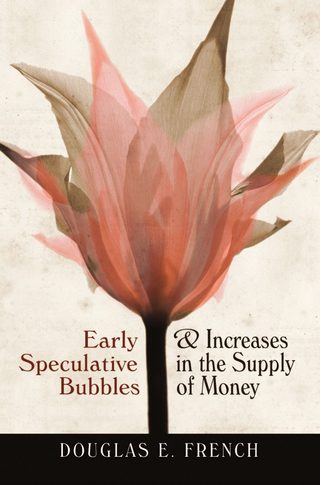 Early Speculative Bubbles and Increases in the Supply of Money (2nd ed.), Douglas E. French 2009 (1st ed. 1992) Douglas French's Early Speculative Bubbles and Increases in the Supply of Money (2009, first edition 1992) applies the Austrian theory of the business cycle to tulipomania, John Law's Mississippi Scheme and the South Sea Bubble, arguing that each was driven by an expansion of money and credit.
- 103
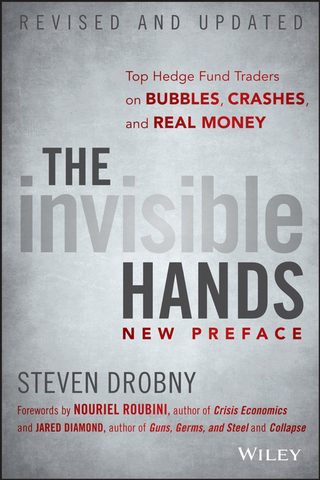 The Invisible Hands: Top Hedge Fund Traders on Bubbles, Crashes, and Real Money (rev. ed.), Steven Drobny 2014 Steven Drobny's The Invisible Hands (2010, revised 2014) collects anonymous interviews with leading global macro managers about 2008, how they manage risk, and what pension funds and endowments should learn from the crisis.
- 104
Composite performance chart, DUNN Capital Management Oct 1974 to Sep 2026 DUNN Capital Management's composite performance chart covers its trend-following record from October 1974 to September 2026, as filed with the CFTC.
- 105
The Mulvaney Global Markets Fund, monthly factsheet, Mulvaney Capital May 1999 to Oct 2026 Mulvaney Capital's monthly factsheet for the Mulvaney Global Markets Fund publishes every monthly net return of its long-term trend-following program since May 1999, so each recent event on this site can be checked month by month.
- 106
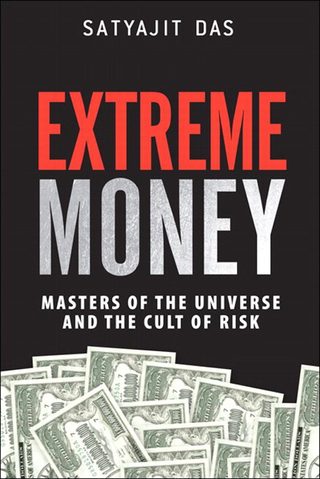 Extreme Money: Masters of the Universe and the Cult of Risk, Satyajit Das 2011 Satyajit Das's Extreme Money (2011) argues that over three decades finance stopped serving the economy and became its center.
- 107
 Market Beaters, Art Collins 2004 Art Collins's Market Beaters (2004) collects interviews with 14 traders who design and trade mechanical systems, rules that decide entries, exits and position size without discretion.
- 108
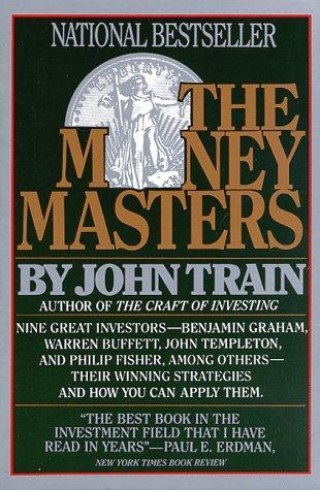 The Money Masters, John Train 1980 John Train's The Money Masters (1980) profiles nine investors with long records and sets out how each one made money: Warren Buffett, Paul Cabot, Philip Fisher, Benjamin Graham, Stanley Kroll, T. Rowe Price, John Templeton, Larry Tisch and Robert Wilson.
- 109
 Money: Master the Game, Tony Robbins 2014 Tony Robbins's Money: Master the Game (2014) is a 688-page personal finance book built on interviews with about 50 investors and financial figures, among them Paul Tudor Jones, Ray Dalio, Carl Icahn, John Bogle, David Swensen and Warren Buffett.
- 110
 Booms and Depressions: Some First Principles, Irving Fisher 1932 Irving Fisher's Booms and Depressions (1932) grew out of an address he gave to the American Association for the Advancement of Science in New Orleans on January 1, 1932.
- 111
“Learning to Love Investment Bubbles: What if Sir Isaac Newton Had Been a Trendfollower?”, Mebane Faber 2011 Mebane Faber's paper “Learning to Love Investment Bubbles: What if Sir Isaac Newton Had Been a Trendfollower?” appeared in Cambria Quantitative Research in September 2011.
- 112
“The Self-Organized Criticality Paradigm in Economics & Finance”, Jean-Philippe Bouchaud 2025 Jean-Philippe Bouchaud's “The Self-Organized Criticality Paradigm in Economics & Finance” is a review he wrote, at the request of Doyne Farmer, for The Economy as an Evolving Complex System IV, a Santa Fe Institute volume.
- 113
 Mr. Market Miscalculates: The Bubble Years and Beyond, James Grant 2008 James Grant founded Grant's Interest Rate Observer, a twice-monthly newsletter, in 1983.
- 114
 Booms and Busts: An Encyclopedia of Economic History from Tulipmania of the 1630s to the Global Financial Crisis of the 21st Century, James Ciment (editor) 2010 Booms and Busts, edited by James Ciment and published by M.E.
- 115
 The Origin of Financial Crises: Central Banks, Credit Bubbles and the Efficient Market Fallacy, George Cooper 2008 George Cooper, who worked as a fund manager at Goldman Sachs and as a strategist for Deutsche Bank and JPMorgan, wrote The Origin of Financial Crises (2008) as the credit crisis unfolded.
- 116
 Behave: The Biology of Humans at Our Best and Worst, Robert M. Sapolsky 2017 Robert Sapolsky, a professor of biology and neurology at Stanford, sets out in Behave (2017) to explain a single human act, good or bad, by working backward in time: what happened in the brain a second before, what sights and sounds set it off seconds to minutes before, which hormones acted hours to days before, how experience reshaped the brain over months, and further back through adolescence, childhood, the womb, genes, culture and evolution.
- 117
 The Psychology of Money: Timeless Lessons on Wealth, Greed, and Happiness, Morgan Housel 2020 Morgan Housel, a former columnist for The Motley Fool and The Wall Street Journal and a partner at the Collaborative Fund, argues in The Psychology of Money (2020) that doing well with money depends more on behavior than on knowledge.
- 118
 Mechanical Trading Systems: Pairing Trader Psychology with Technical Analysis, Richard L. Weissman 2005 Richard Weissman's Mechanical Trading Systems (2005) starts from his own experience: in 1987 he and his father bought a seat on the New York Futures Exchange and set out to make $2,500 a week from a $25,000 account.
- 119
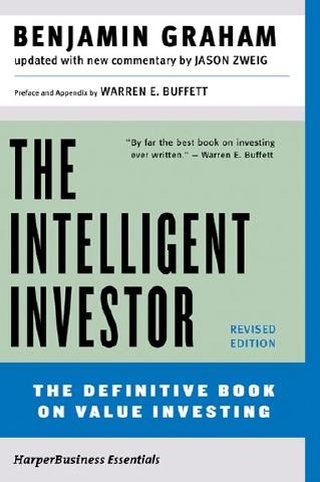 The Intelligent Investor, Benjamin Graham, with commentary by Jason Zweig 1949 Benjamin Graham's The Intelligent Investor first appeared in 1949.
- 120
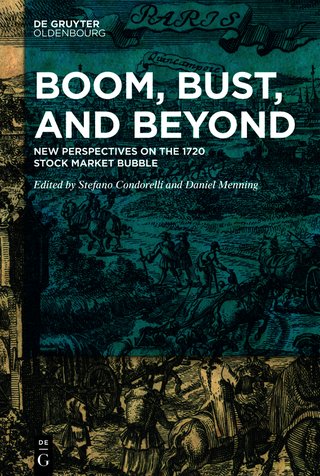 Boom, Bust, and Beyond: New Perspectives on the 1720 Stock Market Bubble, Stefano Condorelli and Daniel Menning (editors) 2019 Boom, Bust, and Beyond (De Gruyter, 2019), edited by Stefano Condorelli and Daniel Menning, grew out of a conference at the University of Tübingen in April 2018 and was published ahead of the bubble's three hundredth anniversary.
- 121
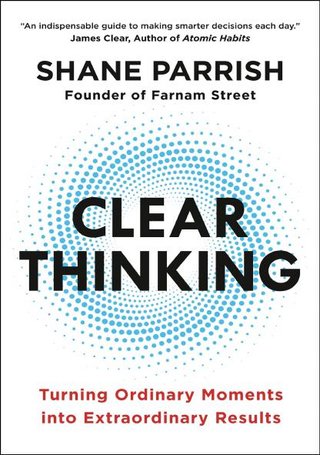 Clear Thinking: Turning Ordinary Moments into Extraordinary Results, Shane Parrish 2023 Shane Parrish, founder of the Farnam Street website and host of The Knowledge Project podcast, argues in Clear Thinking (2023) that the decisions that shape a life are made in ordinary moments, when people react without thinking.
- 122
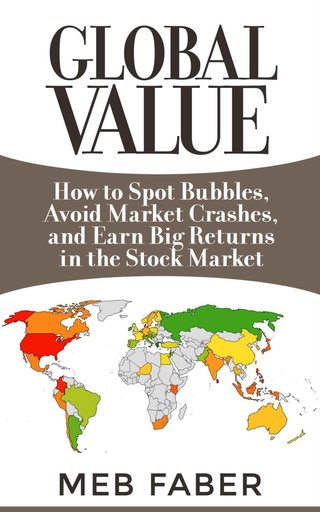 Global Value: How to Spot Bubbles, Avoid Market Crashes, and Earn Big Returns in the Stock Market, Mebane Faber 2014 Mebane Faber's Global Value (2014) applies the CAPE ratio, the price of a stock market divided by its average inflation-adjusted earnings over ten years, to stock markets around the world.
- 123
“Does Trend Following Work?”, Mark S. Rzepczynski 2005 Mark Rzepczynski wrote “Does Trend Following Work?” for SFO Magazine in 2005, as president and chief investment officer of John W. Henry & Company.
- 124
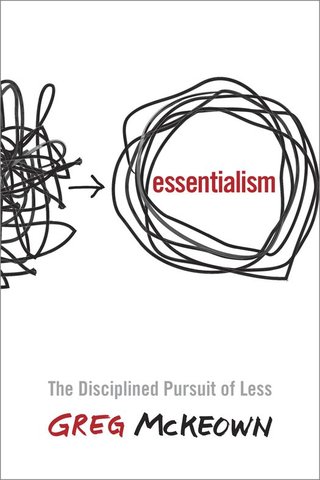 Essentialism: The Disciplined Pursuit of Less, Greg McKeown 2014 Greg McKeown's Essentialism (2014) argues that people and organizations spread their effort over too many things and make little progress on any.
- 125
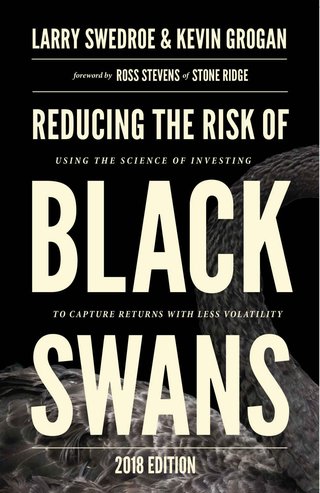 Reducing the Risk of Black Swans: Using the Science of Investing to Capture Returns with Less Volatility, Larry Swedroe and Kevin Grogan 2018 Larry Swedroe and Kevin Grogan of Buckingham wrote Reducing the Risk of Black Swans (first edition 2014, revised 2018) for investors who want equity-like returns with less exposure to rare, severe losses.
- 126
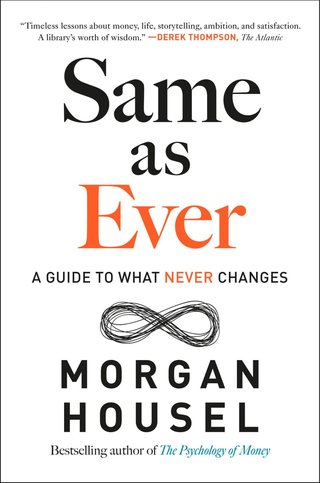 Same as Ever: A Guide to What Never Changes, Morgan Housel 2023 Morgan Housel's Same as Ever (2023) is twenty-three short stories about behaviors that hold across eras.
- 127
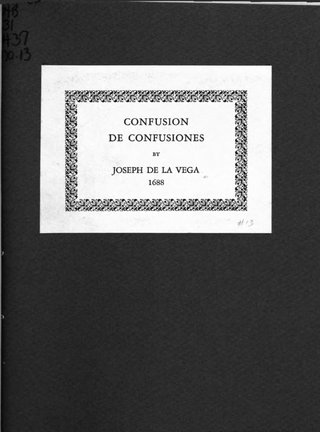 Confusión de Confusiones, Joseph de la Vega 1688 Joseph de la Vega, a Sephardic merchant in Amsterdam, wrote Confusión de Confusiones in Spanish in 1688.
- 128
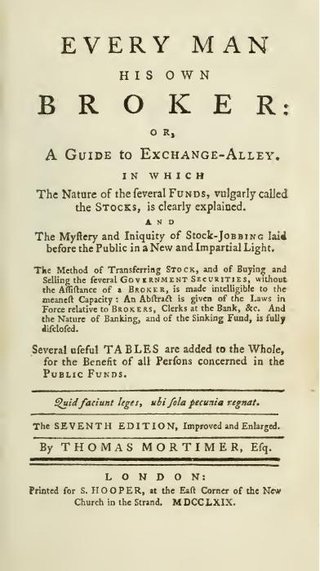 Every Man His Own Broker: or, A Guide to Exchange-Alley, Thomas Mortimer 1761 Thomas Mortimer published Every Man His Own Broker in 1761, in the middle of the Seven Years' War, when Britain's war borrowing filled Exchange Alley with new government stock.
- 129
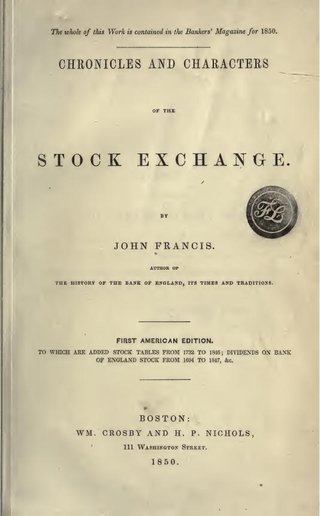 Chronicles and Characters of the Stock Exchange, John Francis 1849 John Francis, a clerk at the Bank of England and author of its history, published Chronicles and Characters of the Stock Exchange in London in 1849; the first American edition, with stock tables from 1732 to 1846, followed in Boston in 1850.
- 130
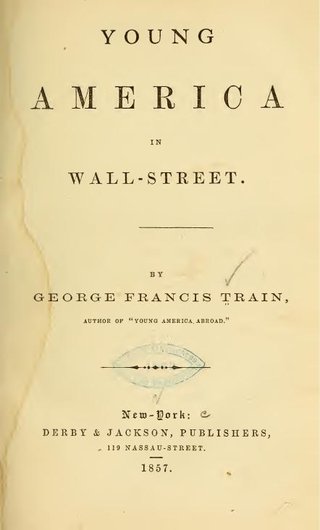 Young America in Wall-Street, George Francis Train 1857 George Francis Train, a 28-year-old Boston merchant who had run a shipping firm in Melbourne, published Young America in Wall-Street in 1857, the year of the panic.
- 131
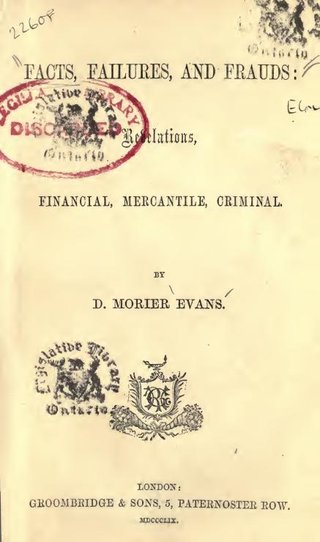 Facts, Failures and Frauds: Revelations, Financial, Mercantile, Criminal, D. Morier Evans 1859 David Morier Evans, a City journalist for The Times and The Morning Herald, published Facts, Failures and Frauds in 1859.
- 132
 The Gilded Age: A Tale of To-Day, Mark Twain and Charles Dudley Warner 1873 Mark Twain and Charles Dudley Warner published The Gilded Age in 1873, the year of the panic.
- 133
 The Theory of Stock Exchange Speculation, Arthur Crump 1874 Arthur Crump, a London financial writer, published The Theory of Stock Exchange Speculation in 1874; the edition here is the second.
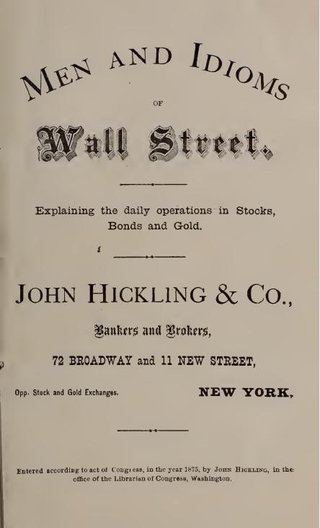
- 134
 Men and Idioms of Wall Street, John Hickling & Co. 1875 Men and Idioms of Wall Street was published in 1875 by John Hickling & Co., brokers at 72 Broadway, opposite the Stock and Gold Exchanges, to explain the daily operations in stocks, bonds and gold to customers outside the Street.
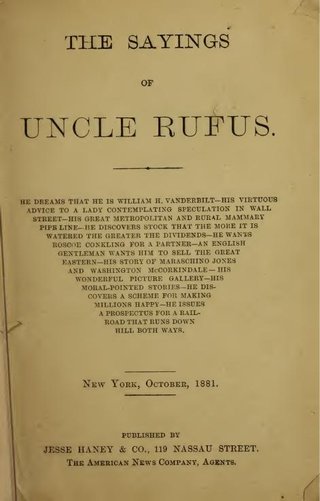
- 135
 The Sayings of Uncle Rufus, Anonymous (Jesse Haney & Co., publisher) 1881 The Sayings of Uncle Rufus, published in New York in October 1881, is a comic pamphlet in which Uncle Rufus dreams that he is William H. Vanderbilt, then the richest man in America and head of the New York Central.
- 136
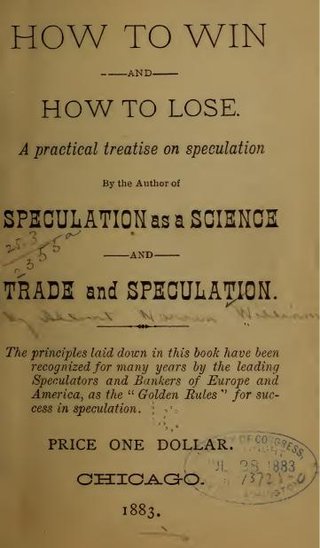 How to Win and How to Lose: A Practical Treatise on Speculation, Anonymous (attributed to Albert Warren Williams) 1883 How to Win and How to Lose, published in Chicago in 1883 for a dollar by the author of two earlier books on speculation, sets out what it calls the golden rules of speculation, long known to the leading speculators and bankers of Europe and America.
- 137
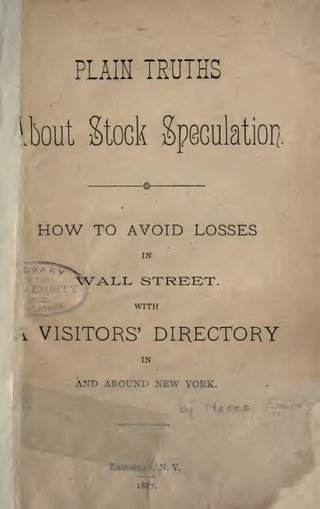 Plain Truths about Stock Speculation: How to Avoid Losses in Wall Street, E. V. Smith 1887 Plain Truths about Stock Speculation, published in 1887 by E. V. Smith, is, in its own words, “plain truths, plainly told” of the dangers and folly of dealing on margins: a warning to keep out of Wall Street, and a guide to the traps for anyone who goes there anyway.
- 138
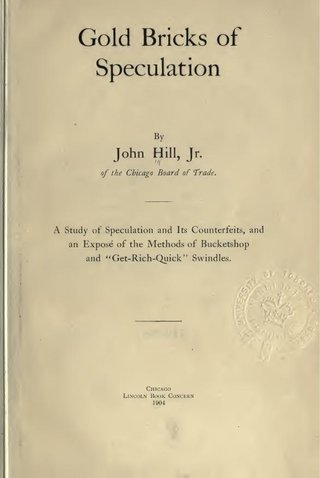 Gold Bricks of Speculation: A Study of Speculation and Its Counterfeits, John Hill Jr. 1904 John Hill Jr., a member of the Chicago Board of Trade, published Gold Bricks of Speculation in 1904 to separate legitimate speculation on the exchanges from the swindles that used its name.
- 139
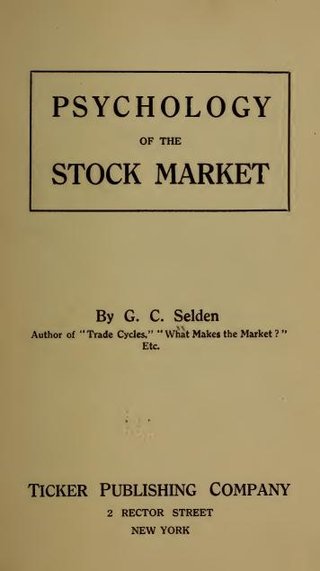 Psychology of the Stock Market, G. C. Selden 1912 G. C. Selden, a former fellow at Columbia University, statistician and editor at The Magazine of Wall Street, published Psychology of the Stock Market in 1912.
- 140
 My Adventures with Your Money, George Graham Rice 1913 George Graham Rice, born Jacob Simon Herzig, was a racing tipster and mining-stock promoter who served more than one prison term for fraud.
- 141
 The Value of Organized Speculation, Harrison H. Brace 1913 Harrison H. Brace's The Value of Organized Speculation won second prize in the Hart, Schaffner & Marx essay competition for 1911, judged by economists including J. Laurence Laughlin and J. B. Clark, and was published in 1913.
- 142
 Scientific Stock Speculation, Charles H. Dow, edited by G. C. Selden 1920 Charles Dow founded Dow Jones & Company with Edward Jones and Charles Bergstresser in 1882, started The Wall Street Journal in 1889 and created the Dow Jones averages.
- 143
 How I Trade and Invest in Stocks and Bonds, Richard D. Wyckoff 1924 Richard D. Wyckoff started on Wall Street in 1888 as a runner at fifteen, became a broker and in 1907, during the panic, founded The Ticker, renamed The Magazine of Wall Street.
- 144
 Tape Reading and Market Tactics: The Three Steps to Successful Stock Trading, Humphrey B. Neill 1931 Humphrey B. Neill, a market writer who settled in Saxtons River, Vermont, published Tape Reading and Market Tactics in 1931, after the crash.
- 145
 How to Trade in Stocks, Jesse L. Livermore 1940 Jesse Livermore published How to Trade in Stocks in March 1940, the only book he wrote under his own name.
- 146
 The Great Metropolis, Second Series, Volume II, James Grant (1802–1879) 1837 The Great Metropolis is a portrait of London in the 1830s by James Grant (1802–1879), a Scottish journalist who became editor of The Morning Advertiser; he is not the American financial writer of the same name.
- 147
Largest Quarterly S&P Losses Since 1980, Sunrise Capital Partners 2015 This one-page table, which trendfollowing.com attributes to Sunrise Capital Partners, a trend-following futures manager, lists the seventeen largest quarterly losses of the S&P 500 between 1980 and 2015, each with the return of the Barclay CTA Index, an index of managed-futures funds, in the same quarter.
- 148
S&P 500 Corrections & Bear Markets Since 1928, Yardeni Research 2017 This table from Yardeni Research, dated August 11, 2017, lists every correction (a fall of 10% or more) and every bear market (a fall of 20% or more) in the S&P 500 and its predecessor index from 1928 to early 2016, with the dates and prices of each peak and trough, the percentage loss and the number of days.
- 149
“Blowing Up”, Malcolm Gladwell 2002 Malcolm Gladwell's “Blowing Up,” published in The New Yorker in April 2002, profiles Nassim Taleb and his fund Empirica, and sets him against Victor Niederhoffer, a trader Taleb knew.
- 150
Business Booms and Depressions Since 1775, The Century Press 1943 Business Booms and Depressions Since 1775, published in 1943 by The Century Press of Toledo, Ohio, charts the American economy from the Revolution to the middle of the Second World War: the price level, the federal debt, business activity, national income, stock prices and bond yields, with data through June 30, 1943.
- 151
Manias, Panics, and Crashes: A History of Financial Crises, Robert Z. Aliber, Charles P. Kindleberger and Robert N. McCauley 2023 Charles P. Kindleberger, an economist at MIT, published Manias, Panics, and Crashes in 1978.