1984 · Bank failure · Bubbles, Black Swans and Crisis Alpha
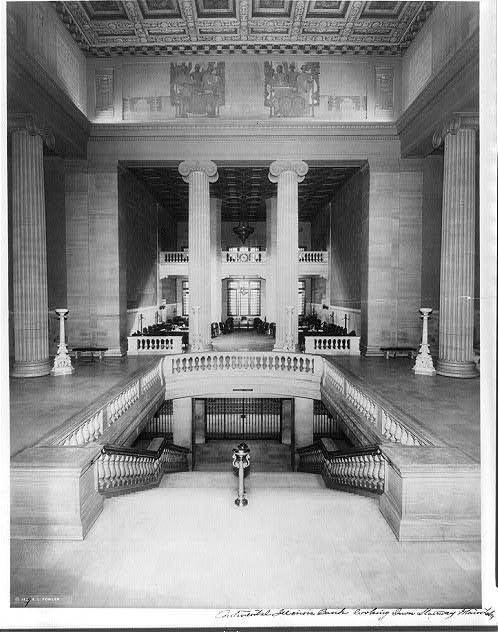
Continental Illinois
The seventh-largest bank in the US lost its deposits in days. Regulators guaranteed every depositor and creditor, and a congressman named the policy too big to fail.
- Run began
- May 1984
- Assets
- about $40 bn
- FDIC rescue
- May 17, 1984
- FDIC ownership
- 80%
What happened
Continental Illinois of Chicago grew fast in the early 1980s by lending to energy companies, many of the loans bought from Penn Square Bank in Oklahoma. When oil prices fell, Penn Square failed in July 1982, and Continental took large losses.
Continental funded itself less with local deposits than with large deposits from other banks and from abroad. In May 1984 rumors of its failure spread, and those depositors withdrew billions of dollars in days.
On May 17 the FDIC guaranteed all of Continental's depositors and creditors, insured or not. Under the rescue it took 80% ownership of the bank. At a hearing that September, Representative Stewart McKinney said regulators had created a new class of bank: too big to fail.
Ideas
The record
- Reading A History of Share Prices (chart and chronology) (Kieron Nutbrown)