1819 · Panic · Bubbles, Black Swans and Crisis Alpha
Panic of 1819
The first great peacetime depression in the United States. The new national bank called in its loans, cotton fell, and land speculators and state banks failed.
- Bank tightened
- 1818–1819
- Cotton price
- fell by about half
- Bank president
- Langdon Cheves, 1819
- Depression
- to about 1821
What happened
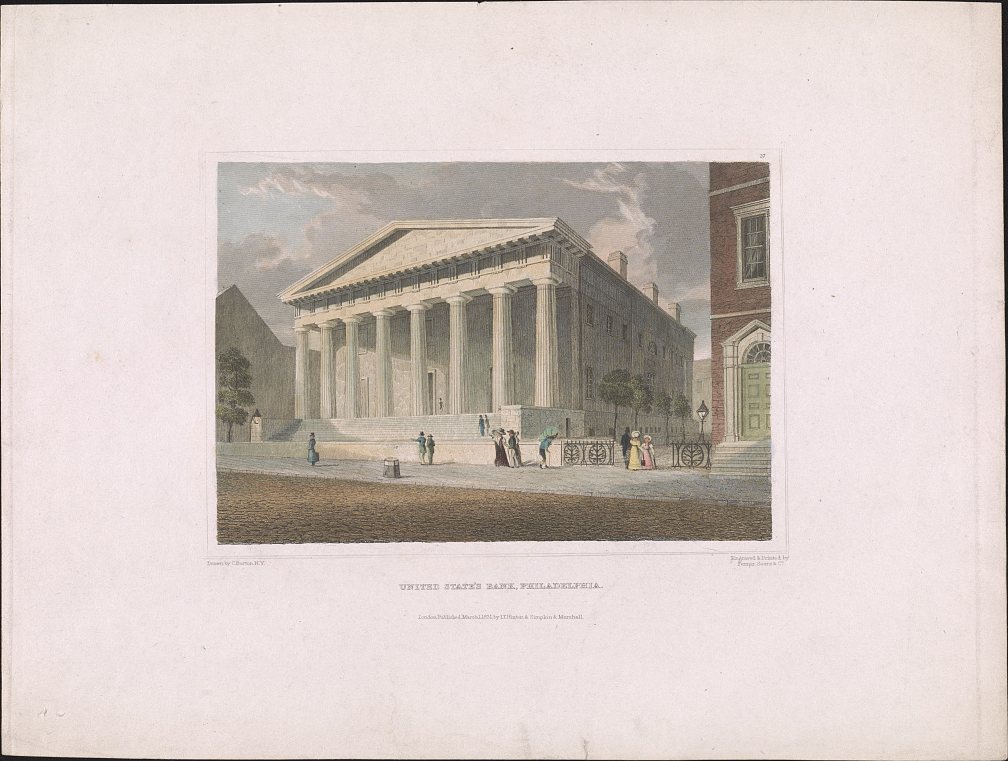
After the War of 1812, cotton prices were high and public land sales boomed, much of it bought on credit from state banks. The Second Bank of the United States, chartered in 1816, also lent without restraint at first.
In 1818 the Bank began calling in loans and demanding that state banks redeem their notes in gold. Cotton prices fell hard in 1819 as British demand dropped.
State banks failed, land buyers defaulted and prices fell. Under its new president, Langdon Cheves, the Bank kept contracting. Many Americans blamed it, which shaped Andrew Jackson's war on the Bank in the 1830s.
The record
David Harding and James Holmes
- Also in Trend Following (Michael Covel)