1900s · Corner · Bubbles, Black Swans and Crisis Alpha
Stratton's corn corner
In Reminiscences of a Stock Operator, Livermore is short ten million bushels of corn when a Chicago operator corners the market. He gets out by selling oats.
- Source
- Lefèvre, 1923
- Livermore's short
- 10 million bushels of corn
- Oats sold as bait
- 200,000 bushels
- Net grain loss
- $25,000
What happened
Edwin Lefèvre's 1923 book tells the story of Jesse Livermore under the name Larry Livingston, and gives other players invented names. This episode comes from the book; “Stratton” is Lefèvre's name for the biggest of the Chicago grain operators.
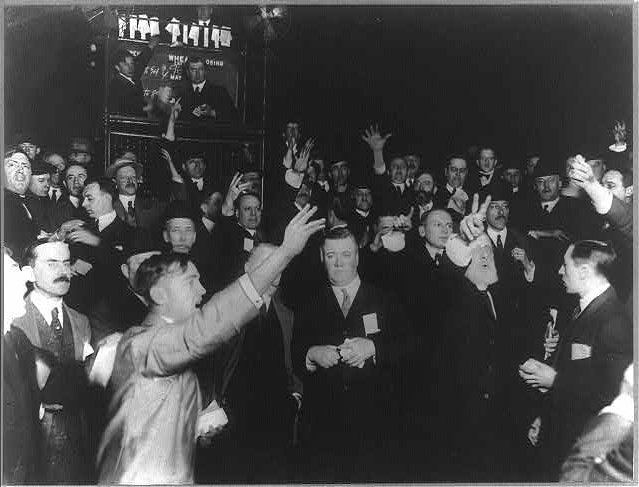
Livermore was short wheat and corn. Wheat fell, but Stratton ran up the price of corn and cornered it. Bad roads kept farmers from bringing corn to market. To buy back ten million bushels without driving the price higher, Livermore needed sellers.
He heard that the Armour interests were against Stratton. He placed orders to buy corn on every eighth of a cent down, then sold 200,000 bushels of oats through four brokers at once. Chicago traders saw oats break, assumed Armour was attacking Stratton, and sold corn. Livermore bought six million bushels in ten minutes and the rest at the market, all within half a cent.
With his wheat profits, his loss on the whole campaign was $25,000. Corn then rose another 25 cents a bushel.
In their own words
“That was pretty cheap bear bait.”
Edwin Lefèvre, Reminiscences of a Stock Operator (1923)
People
The record
Edwin Lefèvre