1979 · Monetary · Bubbles, Black Swans and Crisis Alpha
The 1979 oil shock and Paul Volcker
Revolution in Iran doubled the price of oil. A new Fed chairman raised rates until inflation broke, at the cost of two recessions.
- Shah left Iran
- Jan 1979
- Volcker took office
- Aug 6, 1979
- New Fed policy
- Oct 6, 1979
- US inflation peak
- 14.8%, Mar 1980
What happened
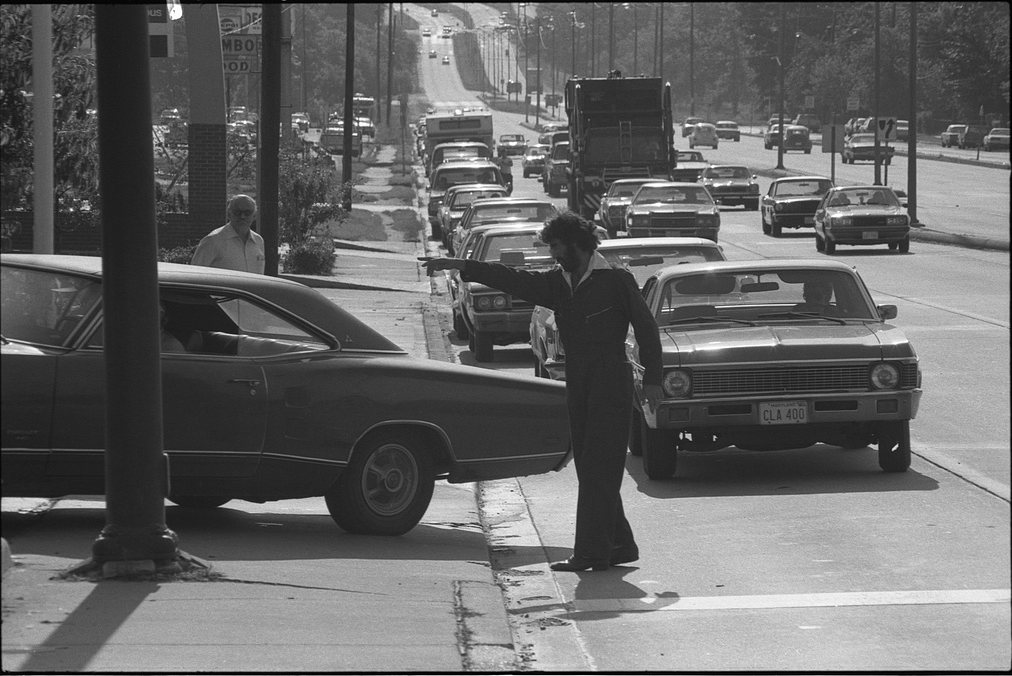
Strikes and revolution cut Iran's oil exports in late 1978, and the Shah left the country in January 1979. Oil prices more than doubled over the next year, and Americans waited in lines for gasoline.
US inflation was already high. Paul Volcker became Federal Reserve chairman in August 1979. On Saturday, October 6 he announced that the Fed would control the supply of money and let interest rates go where they had to.
Short-term rates rose to about 20% and the prime rate peaked at 21.5% in December 1980. Inflation reached 14.8% in March 1980 and then fell, to below 4% by 1983. The US had recessions in 1980 and in 1981–82, when unemployment reached 10.8%.
People
The record
- Reading A History of Share Prices (chart and chronology) (Kieron Nutbrown)