1705 · Fiscal crisis · Bubbles, Black Swans and Crisis Alpha
War finance, 1702–1713
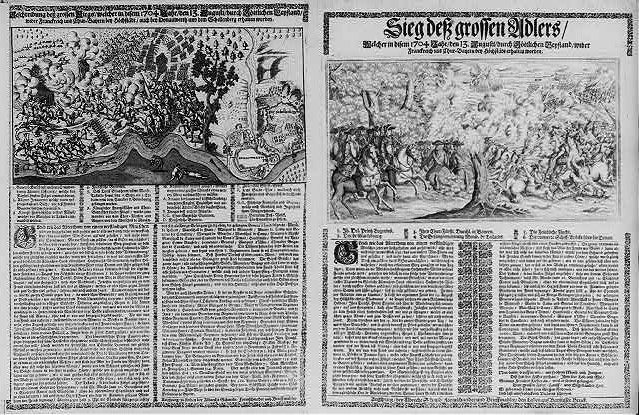
England fought France for eleven years across Europe, paid for with new taxes and new borrowing through the Bank of England. Kieron Nutbrown's chronology marks the strain in 1705.
- War
- 1702–1713
- Blenheim
- Aug 1704
- Run on the Bank of England
- Mar 1708
- South Sea Company
- 1711
What happened
England and its allies went to war in 1702 to keep a French prince from uniting the crowns of France and Spain. The war was fought in the Low Countries, Germany, Spain and Italy, and at sea.
The government paid with land and excise taxes and with loans, many arranged through the young Bank of England. Government tallies and bills traded at discounts when money was tight, and lenders worried about how the debt would be paid.
In March 1708 a threatened Jacobite invasion set off a run on the Bank. In 1711 the government created the South Sea Company to take on a large part of the floating debt, the step that led to the bubble of 1720.
The record
Kieron Nutbrown