1992 · Currency · Bubbles, Black Swans and Crisis Alpha
Black Wednesday
Britain spent billions and raised rates twice in a day to keep the pound in Europe's exchange-rate system. It failed, and George Soros made about $1 billion.
- Date
- Sep 16, 1992
- Rates that day
- 10% → 12% → 15% (announced)
- Quantum Fund gain
- about $1 bn
- Cost to UK Treasury
- about £3.3 bn
What happened
Britain joined the European Exchange Rate Mechanism in 1990, promising to hold the pound near 2.95 German marks. In 1992 German rates were high after reunification and Britain was in recession. Holding the peg meant keeping British rates higher than its economy could bear.
Stanley Druckenmiller, who managed George Soros's Quantum Fund, built a short position against the pound of about $10 billion. Other funds and banks did the same.
On September 16, 1992 the Bank of England bought pounds all morning, raised its rate from 10% to 12% and then announced a rise to 15%. The selling continued. That evening Chancellor Norman Lamont announced that Britain was leaving the mechanism. The pound fell 15% against the mark within weeks.
Quantum made about $1 billion. The Treasury put its own cost at about £3.3 billion. British rates fell, and the economy recovered.
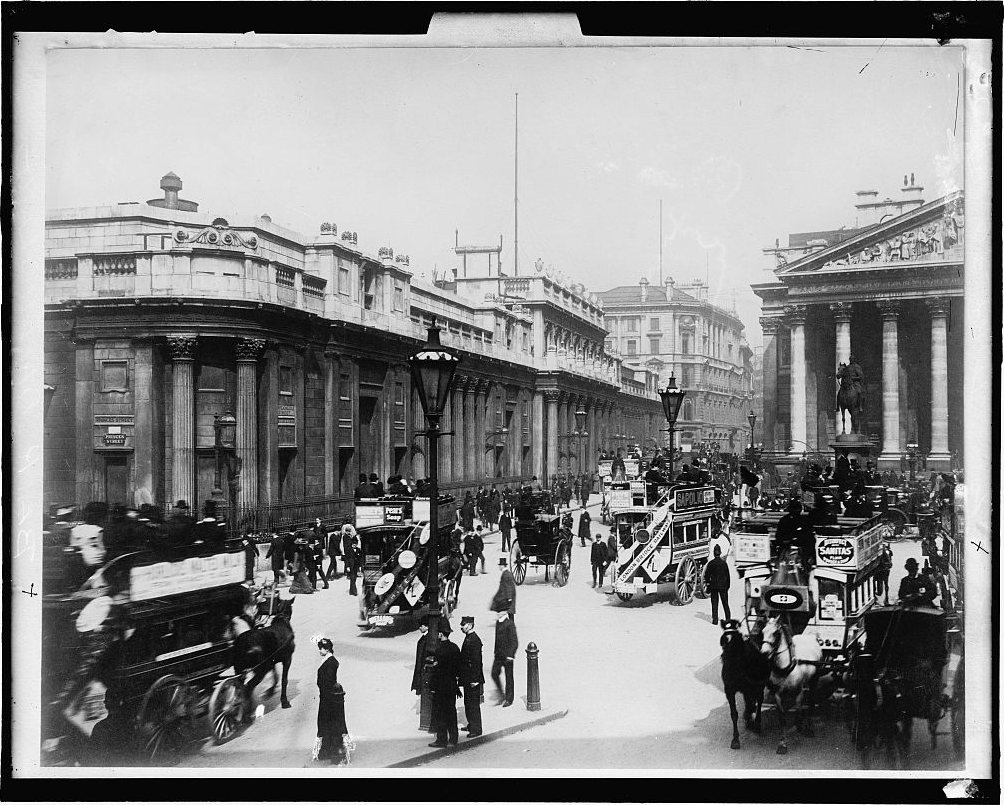
Who lost, who won
Lost
| UK Treasury | about £3.3 bn |
Won
| Quantum Fund (George Soros)September 1992 | about $1 bn |
As reported.
People
- George Soros · Soros Fund Management
- Stanley Druckenmiller · Quantum Fund
- Norman Lamont · chancellor
The record
Sebastian Mallaby
- Also in Hedge Fund Market Wizards (Jack Schwager); The Invisible Hands: Top Hedge Fund Traders on Bubbles, Crashes, and Real Money (rev. ed.) (Steven Drobny)