1973–1974 · Crash · Bubbles, Black Swans and Crisis Alpha
The 1973–74 bear market
An oil embargo, double-digit inflation and the collapse of the era's favorite growth stocks cut the S&P 500 by close to half.
- S&P 500 peak
- Jan 11, 1973
- Low
- Oct 3, 1974
- Fall
- −48%
- Oil price
- about 4×
What happened
In the early 1970s many investors held the Nifty Fifty, large growth companies such as Polaroid, Xerox and Avon that were considered safe to buy at any price. Some traded at 50 to 90 times earnings.
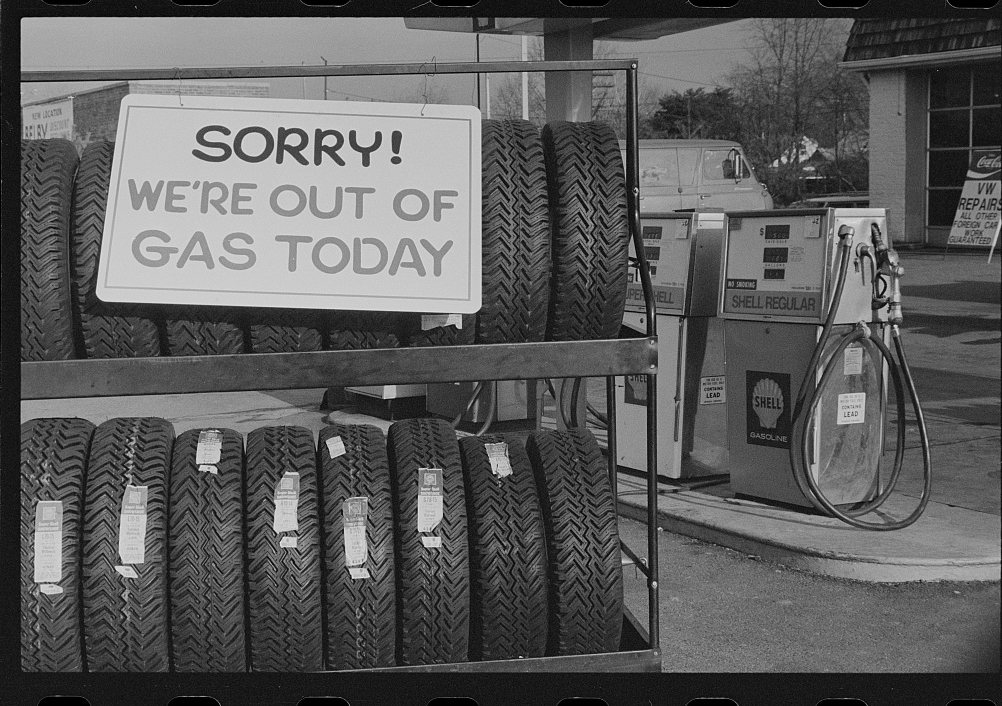
The Bretton Woods system of fixed exchange rates broke down in 1971–73 and inflation rose. In October 1973, after the Yom Kippur War, Arab oil producers cut off sales to the US. The price of oil rose about fourfold.
The S&P 500 fell 48% from January 1973 to October 1974. Many Nifty Fifty stocks fell much further; Polaroid lost about 90%. Inflation reached 12% in 1974.
Commodity prices moved in long trends throughout: grains, metals and oil rose, and the dollar fell.
The record
- Reading The Harriman House Book of Investing Rules; The (Mis)Behavior of Markets (Benoit Mandelbrot & Richard Hudson); Trend Following (Michael Covel); S&P 500 Corrections & Bear Markets Since 1928 (Yardeni Research)