1757–1771 · Mania · Bubbles, Black Swans and Crisis Alpha
The Bengal Bubble
After the East India Company took control of Bengal's revenues, its stock soared on promises of Indian riches. War, famine and fraud brought it down.
- Plassey
- 1757
- Company gains Bengal revenues
- 1765
- Stock fall
- 1769
- Bengal famine
- 1770
What happened
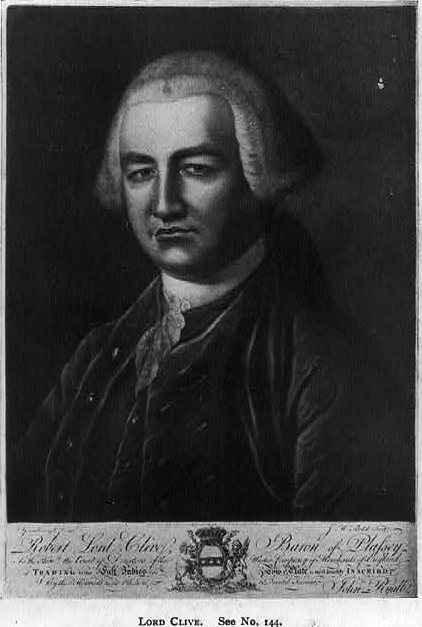
Robert Clive's victory at Plassey in 1757 made the East India Company master of Bengal. In 1765 the Mughal emperor granted it the right to collect the province's revenues.
Investors expected the revenues to pour into dividends. East India stock rose fast in 1766 and 1767, and the company raised its dividend. Speculators in London and Amsterdam bought on credit.
In 1769 news of war in southern India sent the stock down. In 1770 famine killed millions of people in Bengal, and revenues fell. The company could not pay its debts, and its collapse set off the credit crisis of 1772.
People
The record
David Harding and James Holmes
Kieron Nutbrown