1861–1865 · Speculation · Bubbles, Black Swans and Crisis Alpha
The Civil War gold market
When the Union stopped paying gold for its paper money, gold itself became the market's favorite bet, and its price moved with every battle.
- Banks suspended gold
- Dec 30, 1861
- Greenbacks authorized
- Feb 1862
- Gold peak
- about 285, Jul 1864
- Gold Bill
- Jun 1864, repealed in weeks
What happened
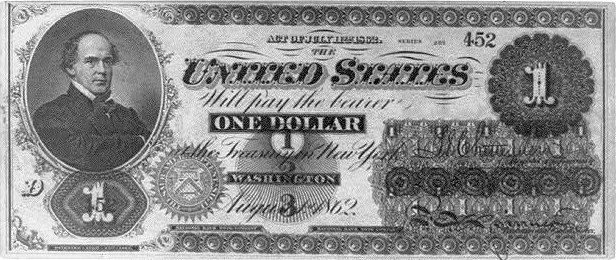
At the end of December 1861 the banks, then the Treasury, stopped paying gold for paper money. In February 1862 Congress authorized greenbacks, paper dollars backed only by the government's promise. Gold began to trade at a premium in paper dollars.
The price of gold became a running vote on the war. It rose on Union defeats and fell on victories. Traders gathered in the Gold Room off Wall Street, and some were accused of cheering Confederate successes.
In June 1864 Congress, urged by Treasury Secretary Salmon Chase, banned trading in gold for future delivery. The price jumped, and the law was repealed within weeks. Gold peaked at about 285 in July 1864, when Union armies were stalled, and fell as the war turned.
People
The record
William Worthington Fowler
James K. Medbery
Henry Clews
- Also in The Pit & the Pendulum: A Menagerie of Speculative Follies (David Harding and James Holmes); The Rationale of Market Fluctuations (3rd ed.) (Arthur Ellis)